Ganaraska Conservation Area, Port Hope.


Ganaraska Conservation Area, Port Hope.
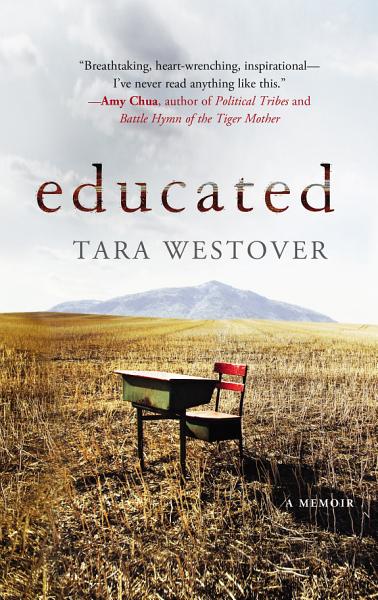
I took it out of the YM library on the Friday before March Break began; I started it on the streetcar ride over to the Horse Palace Friday evening. I read it all day yesterday. I finished it this morning – it’s Monday.
I don’t normally read so quickly. Something propelled me through “Educated” by Tara Westover even though it’s actually really difficult to read. Not the words – they are beautiful and haunting. The pain of the book is hard; she experienced physical pain working in the family junkyard under her misguided father and being abused by her brother. She survived the emotional trauma of living in a Mormon family where fear of government overrode safety, health and well-being.
The book is about education in its multiple forms; she didn’t go to formal school as a child in Idaho but she was still educated even in not being formally educated. Her parents’ pious and rigid views influenced her, even infected her, I’d say. Tara Westover’s book is the journey to reclaim where she starts and they end. Formal education is part of her reclamation process as she has studied at BYU, Oxford, Cambridge and Harvard.
But it’s education in life that has really saved her; learning to unlearn, learning to accept, learning to see through a different lens.
We can all learn from that in these troubled, polarizing times.
Just some stuff.
Notoriously hard to photograph but caught her here:
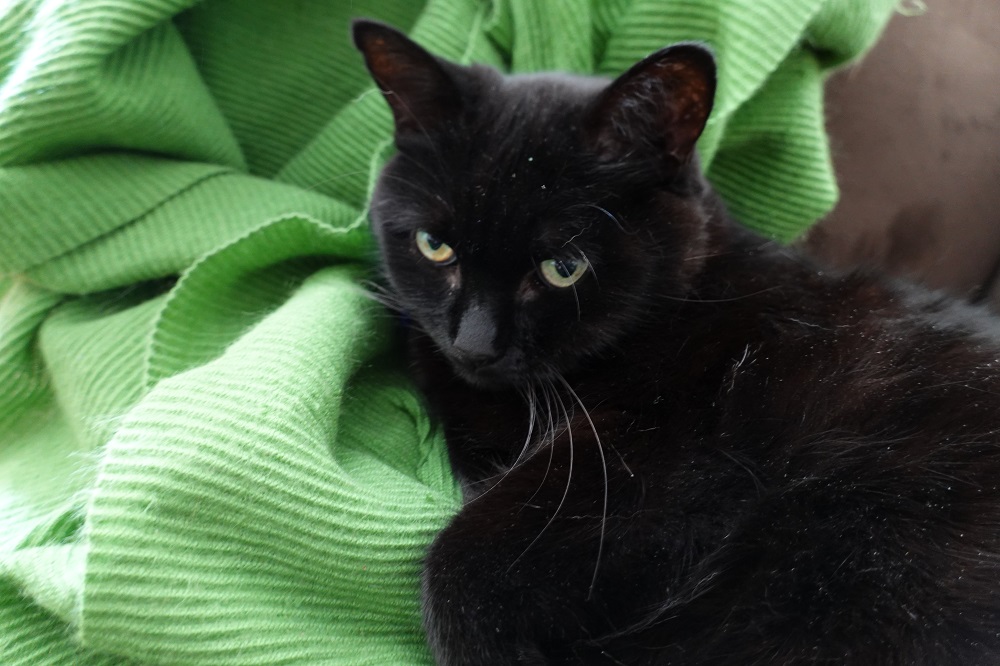
Shadow
Val joined me: we’re both 50 now.
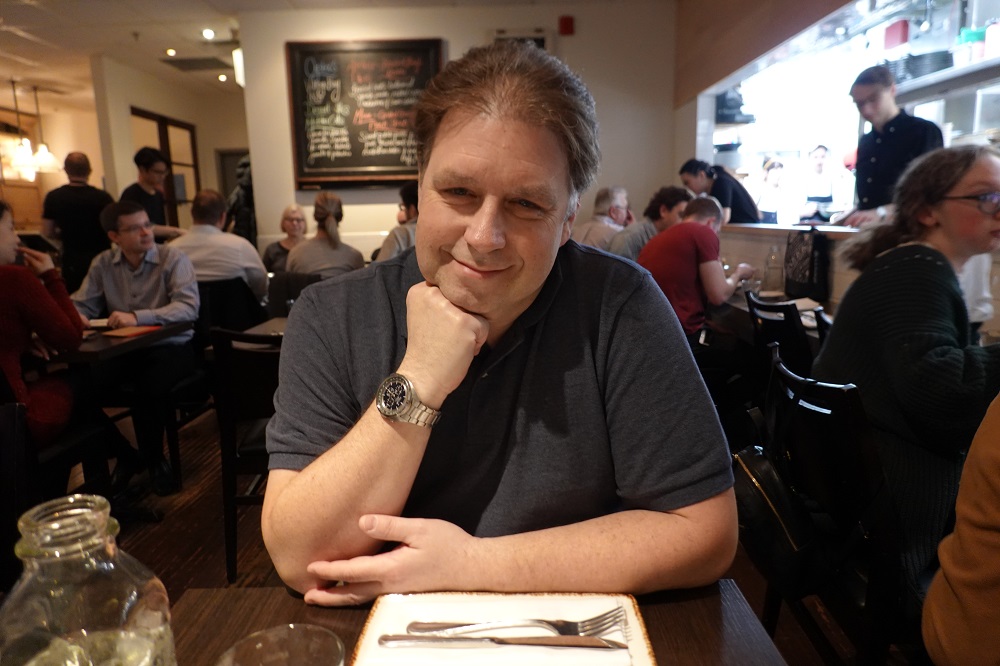
Val at Richmond Station restaurant where we had a wonderful vegan AND non-vegan dinner

Ms. Dworet’s sign says it all – students just wanna have funds
Favourite guitar piece right now: Gordon Lightfoot’s If You Could Read My Mind. I brought the song to my guitar teacher, Robert, a while ago after thinking back to Kurt Browning’s skate from Stars on Ice 2019.
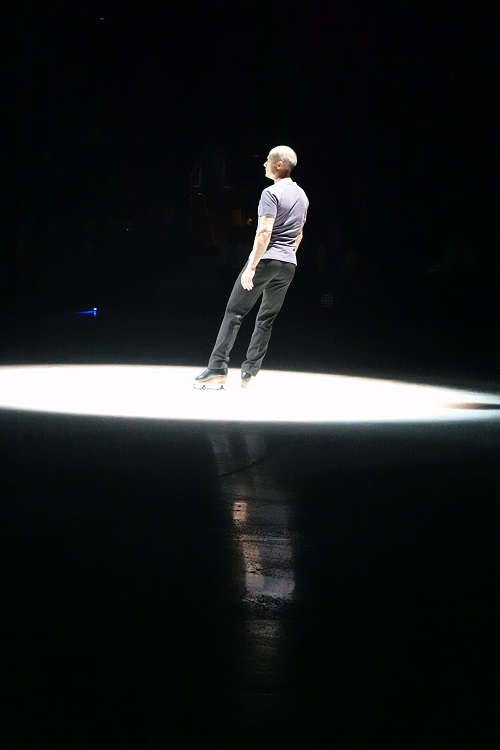
Kurt SOI 2019
A new flavour combo for me: avocado and smoked tofu on a pita. I ate the evidence before I thought of taking a photo.
Picard is turning out to be absolutely amazing – interesting storyline with room for old favourites. I have cried every single episode.
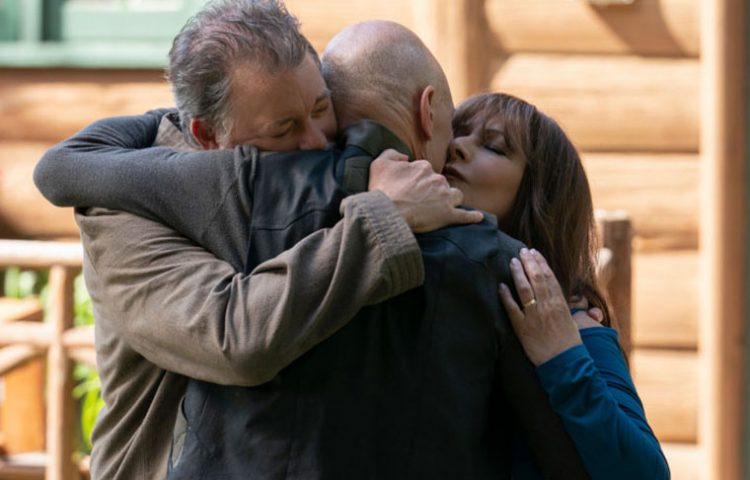
Picard reuniting with Riker and Troi
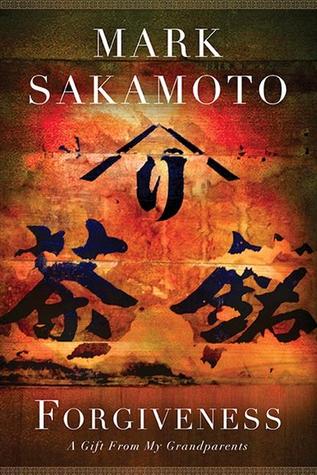
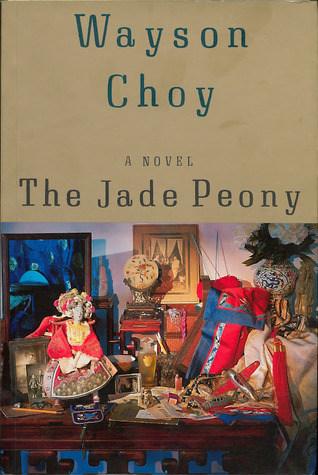
After finally finishing Mary Beard’s highly detailed The Fires of Vesuvius about daily life in Roman Pompeii, I switched gears, accidentally, into some Canadian history/memoire with Forgiveness by Mark Sakamoto. Reading it on the subway was difficult at times because I had to hold back tears. Sakamoto’s grandparents’ WWII stories provide the subject matter; one side of his family experienced extreme persecution as Japanese Canadians being forced to leave their lives in Vancouver to labour on beet farms in Alberta, while his grandfather on the other side was a Canadian soldier and prisoner of war defending Hong Kong against the Japanese. And then I picked up Wayson Choy’s The Jade Peony, a novel depicting the lives of children in a Chinese family in Vancouver in the 1930s and 40s. Again, near crying on the subway. It’s rare for me to read a novel. Wayson Choy died in April 2019.

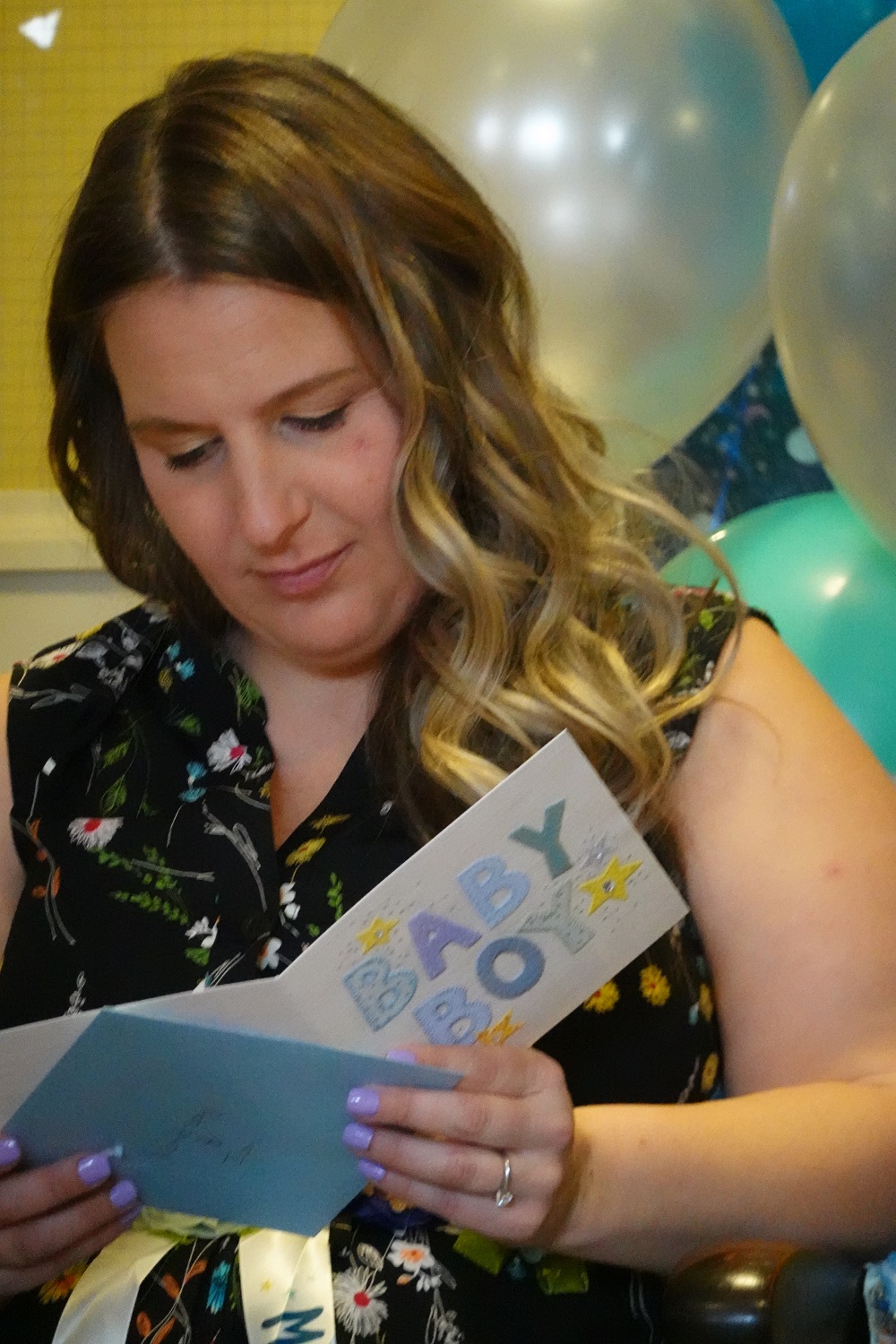
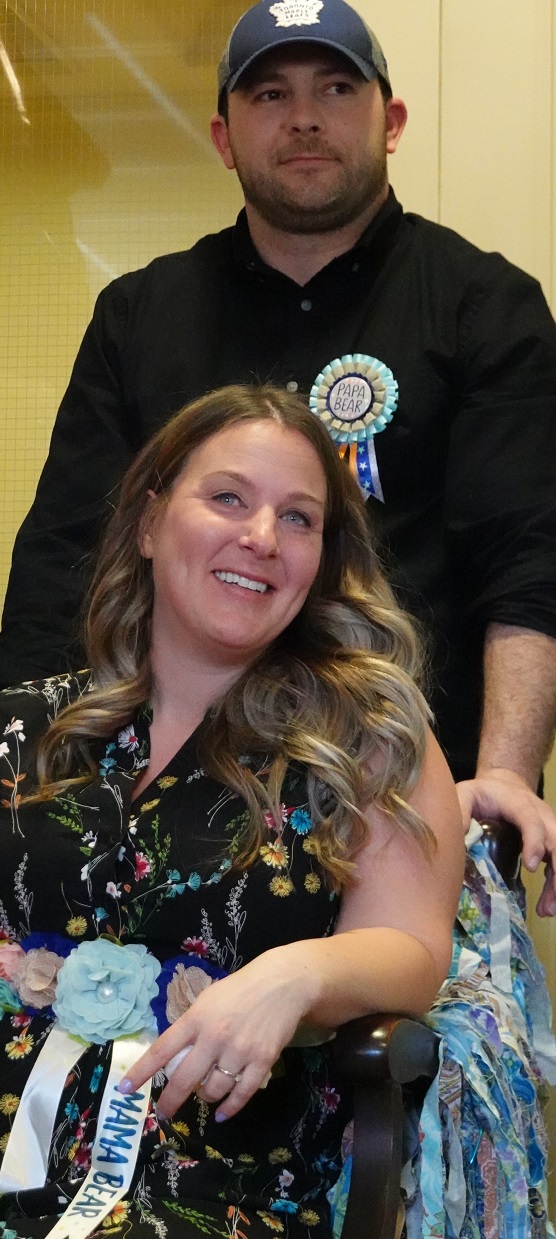
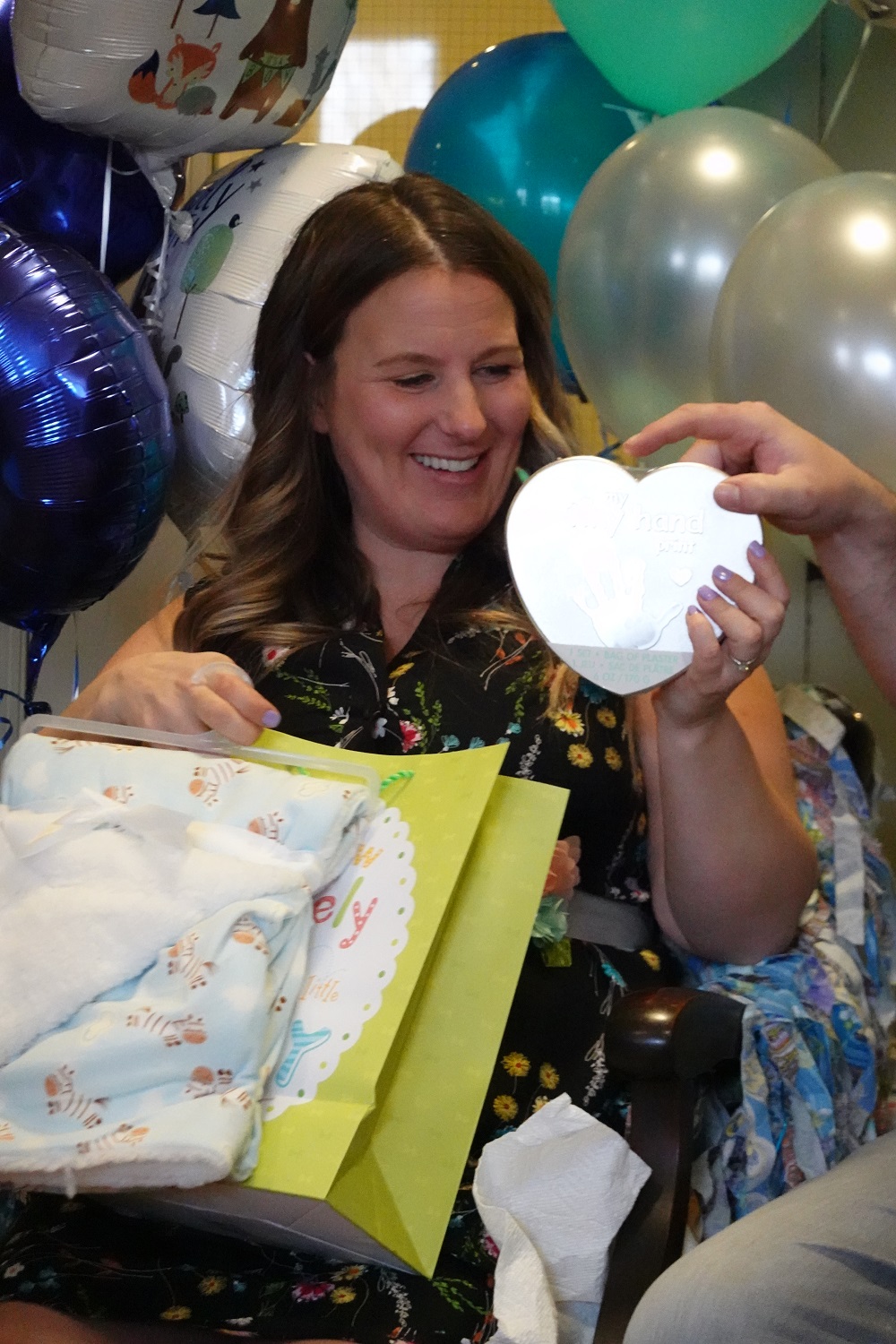
My sister Lindsay is scheduled to have little Blake at the end of March. Her friends made her a lovely baby shower today. Looking forward to meeting you, baby Blake. Ian was on hand for the gift part and even made some of the food for the all-vegan lunch.
With exams, semester turnaround, and the start of semester two, it has been an extremely busy time. This semester is crazy for me; aside from my energetic new grade 12 World History class, I also have seven subjects within credit recovery: grade 9, 10 and 11 English, ESL B, Canadian History, Civics and Learning Strategies. When is March Break?
Therefore, it doesn’t come as a huge surprise to me that I have not been eating very healthfully. Plus, there was that vegan cinnamon bun two weekends ago…
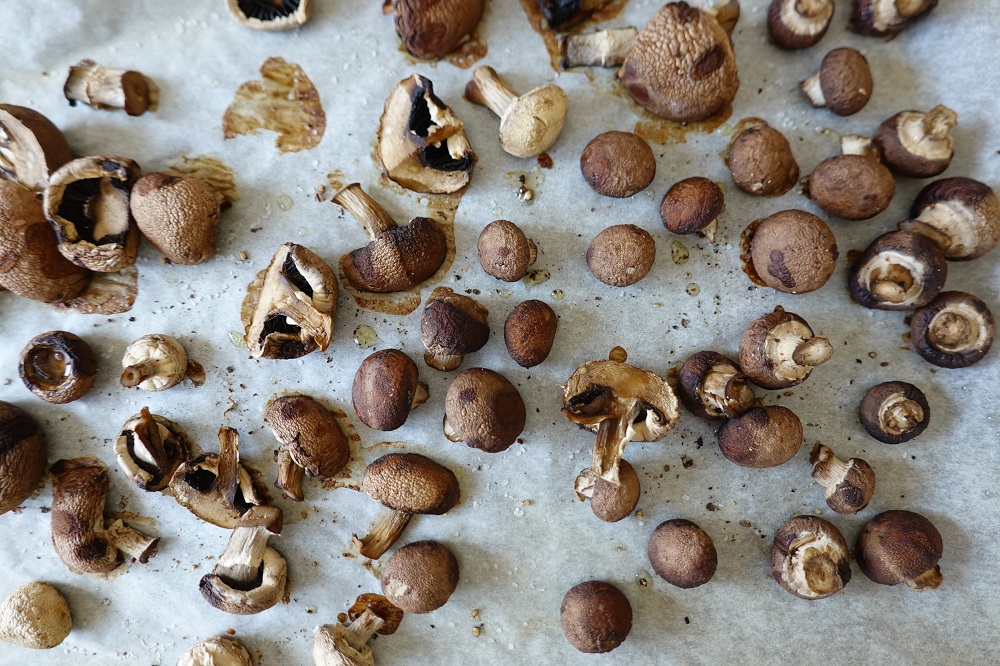
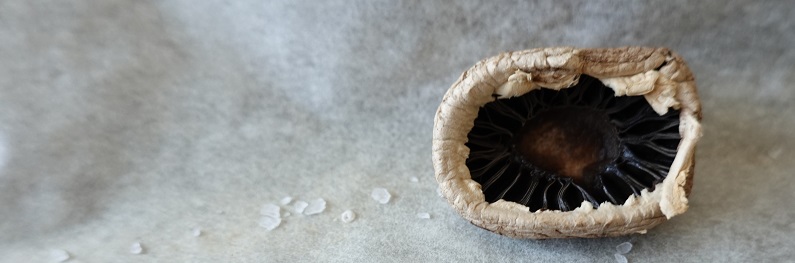
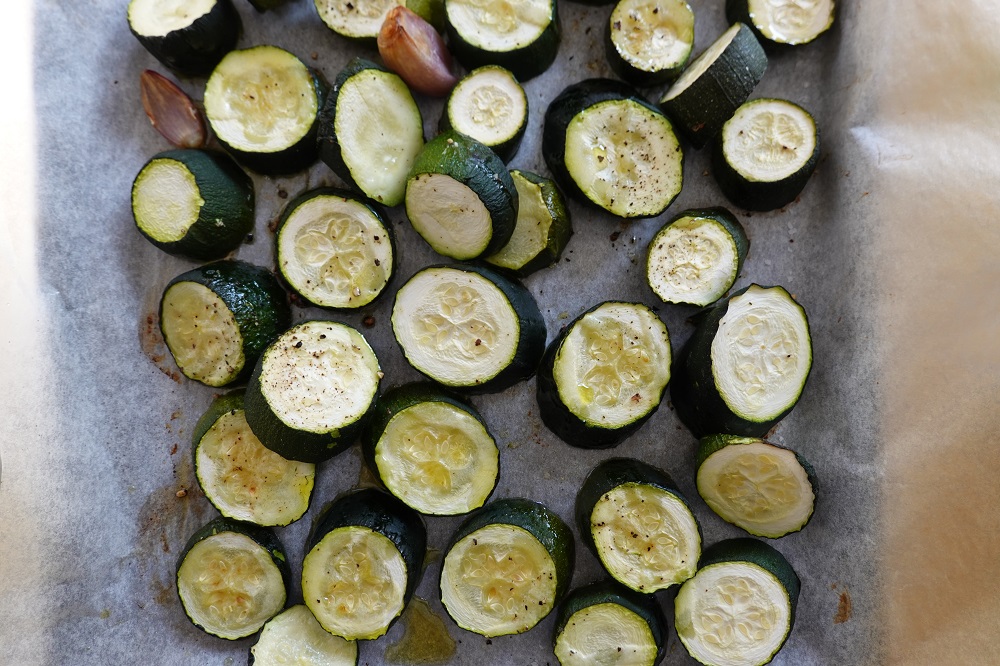
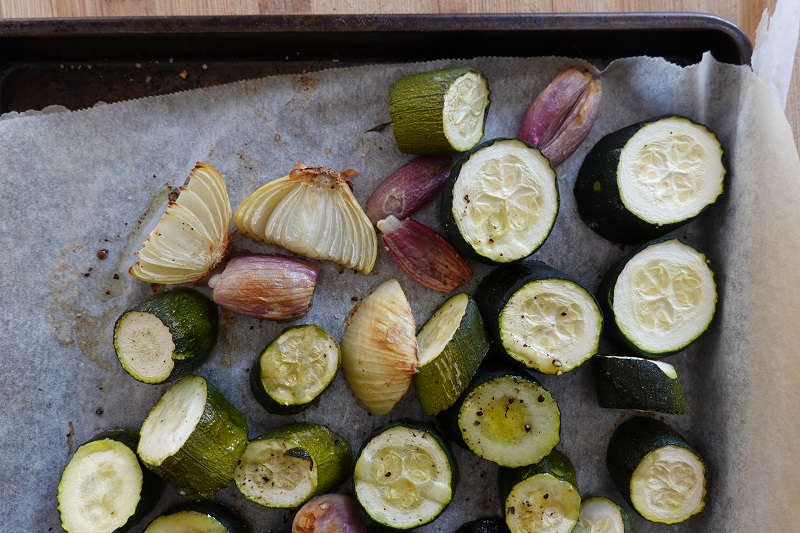
So today I finally cooked some veggies – my favourites – mushrooms and zucchini. It was also so sunny in the kitchen that I decided to take a few photos with our rehabilitated little camera.
I’m taking the day off to catch up on some photography, skating and reading. Then it’s back to work tomorrow with a pile of marking. At least I’ll have some vitamins in me.

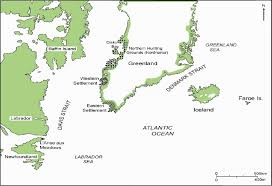
From https://www.researchgate.net/figure/This-map-of-the-North-Atlantic-regions-shows-the-location-of-the-Norse-Eastern-and_fig4_254862418
What do these animals have in common?
reindeer, gannet, orca, Arctic fox, walrus, seal, eider duck, storm petrel, sea otters, gyr falcon
As the Vikings made the journey from their Scandinavian homelands they came into contact with forms of nature that they hunted and made use of, not always killing animals.
As they made their way from 800 t0 1000 CE, jump by jump, across the North Atlantic – Shetland Islands, Faroe Islands, Iceland, Greenland, Vinland (Newfoundland) – they learned from nature, profited from it for trade purposes, and survived because of it.
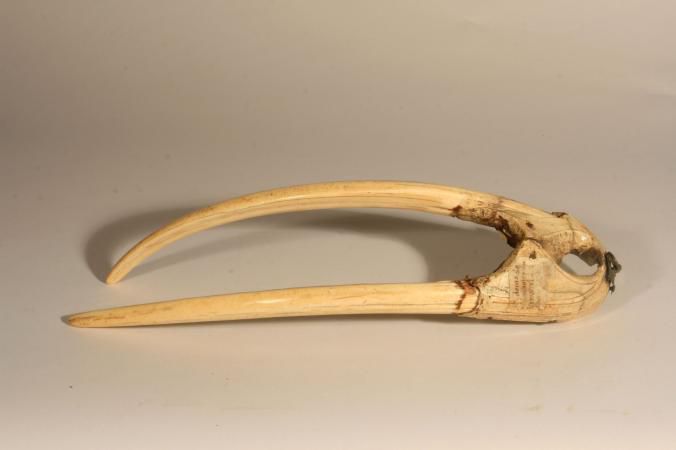
Walrus tusk ivory from https://www.smithsonianmag.com/smart-news/greenland-vikings-got-wealthy-walrus-tusks-180969962/
We don’t usually think of the Vikings as doing anything other than raiding. Natural history reminds us that humans cannot survive without nature. PBS’ long-running program Nature does an excellent job of reinforcing this timely truth.
Inside NATURE: Making of Wild Ways of the Vikings (6 mins)
Reindeer cyclone – incredible to watch!
Picard is back. We had a life-sized cardboard cutout of the captain in our family room in the 1990s.
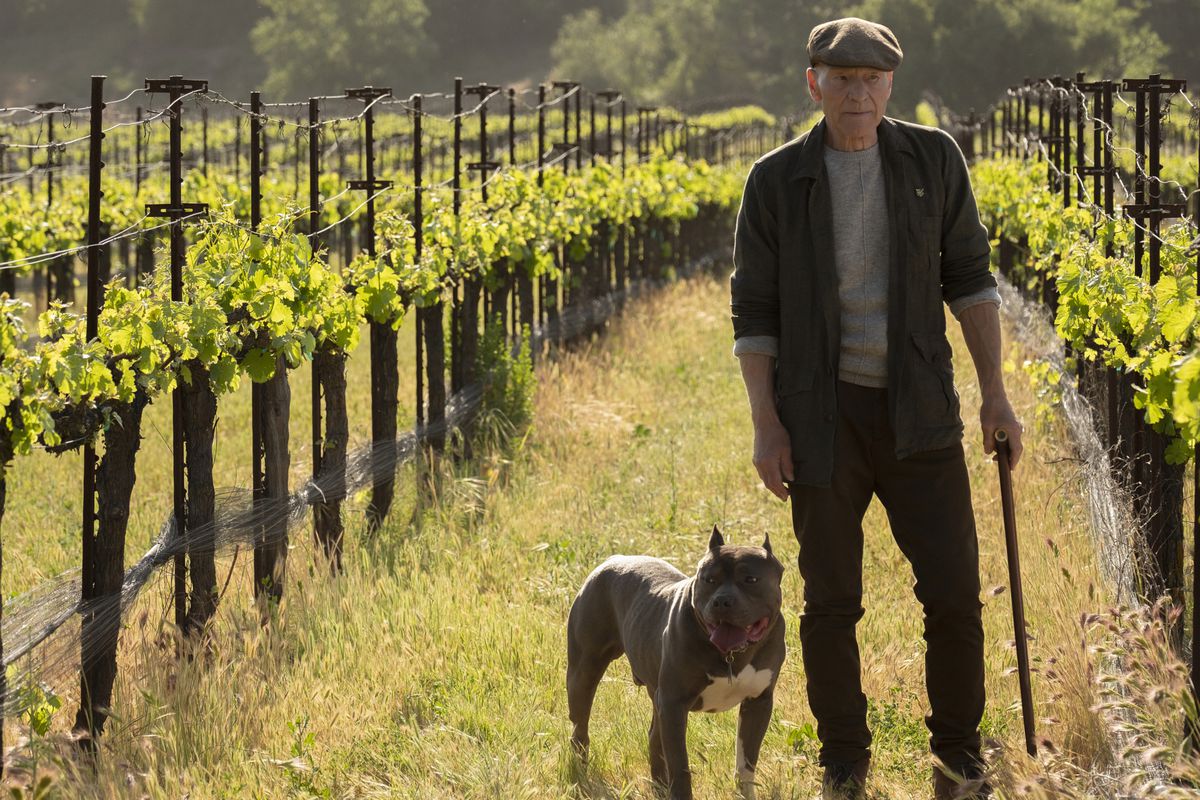
https://www.theglobeandmail.com/arts/television/article-star-trek-picard-at-last-a-down-to-earth-emotionally-authentic/
Thank you, Val, for getting us the channel so we could watch it. So excited to see where it goes.
We had some fun times – the trial was the best memory for me. Never made it to pizza. Best of luck, everyone.
Ms. G


Try out some of these methods. They are scientifically proven to work.
Our cottage has a pretty big garage, one I don’t go into very often. However, I thought it would make for an interesting photography destination.
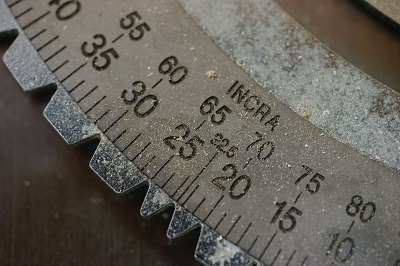
There’s measurement.

There are hose-shaped things.
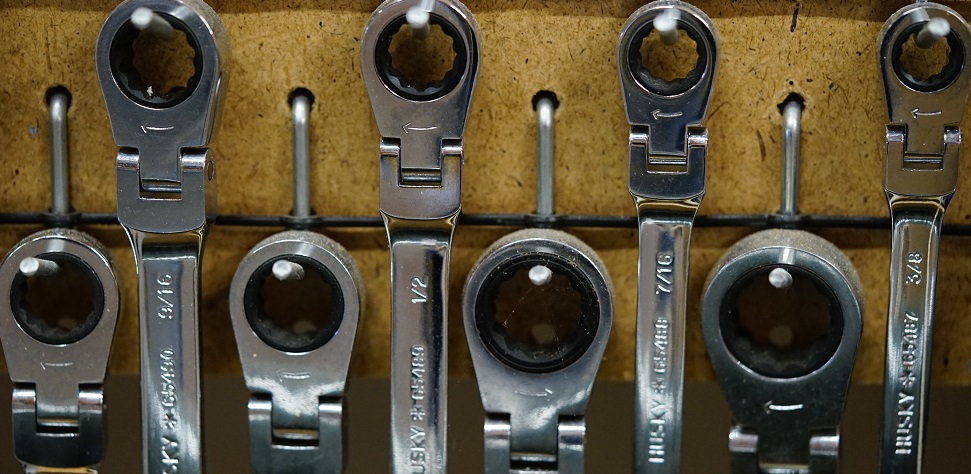
There are tools (mostly) neatly arranged.

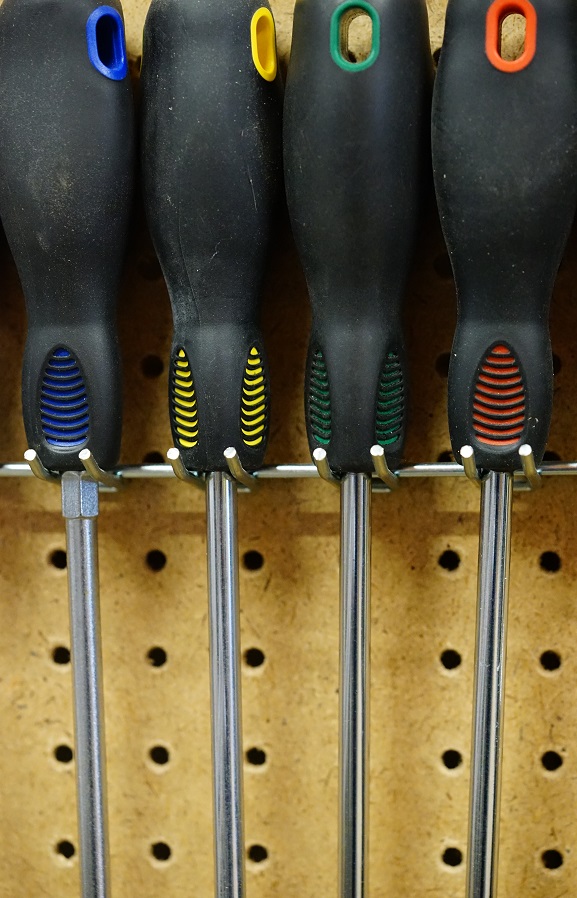
There are unidentified objects (probably parts of power tools).


There’s even a bit of colour.
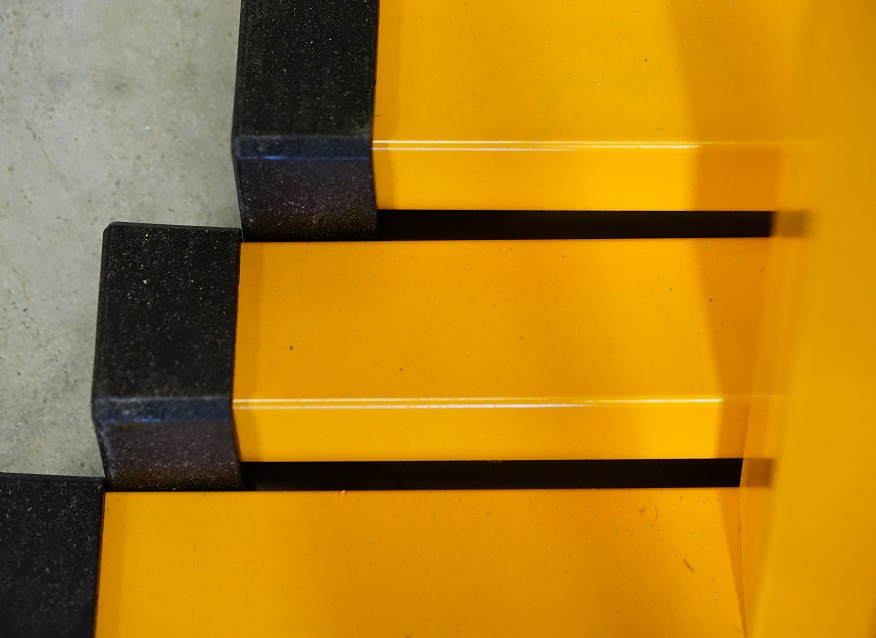

And of course there’s a TTC bus stop. Who wouldn’t have such a thing?
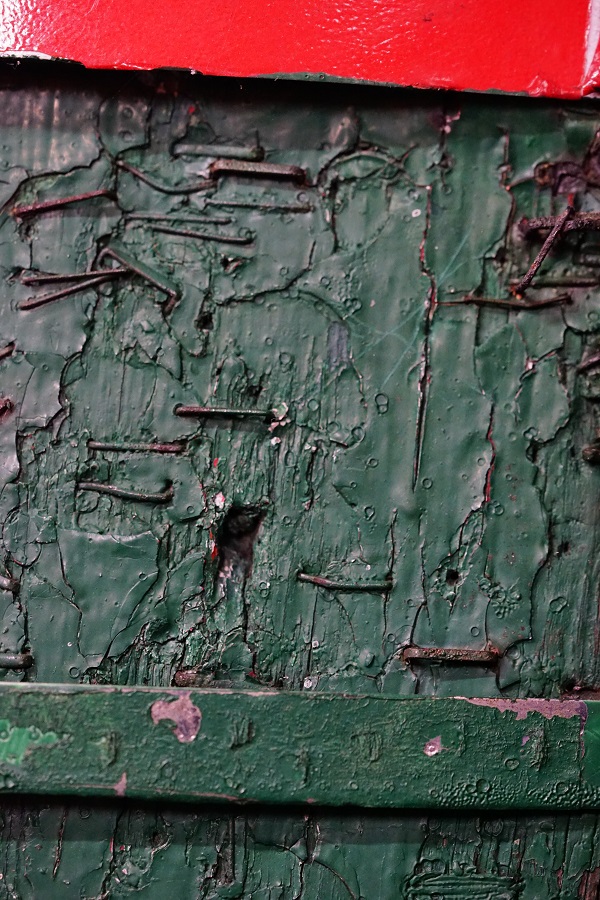
How could I forget – lots of random bike parts.
