Sem 1, 2024/25 (I made some changes in 2025-26 but will take a while to get them onto the blog)
Welcome!
Intro to Thinking Historically and Becoming a Fact Checker
History vocab students should know:
- inferences (reading between the lines – figuring out what the evidence is telling you – making an educated guess or prediction)
- evidence (things from the past (objects = artefacts and documents))
- corroboration (confirmation, backup of a source)
- context (the surrounding environment, situation, circumstances)
- history vs. the past
- context
Maya Inquiry 
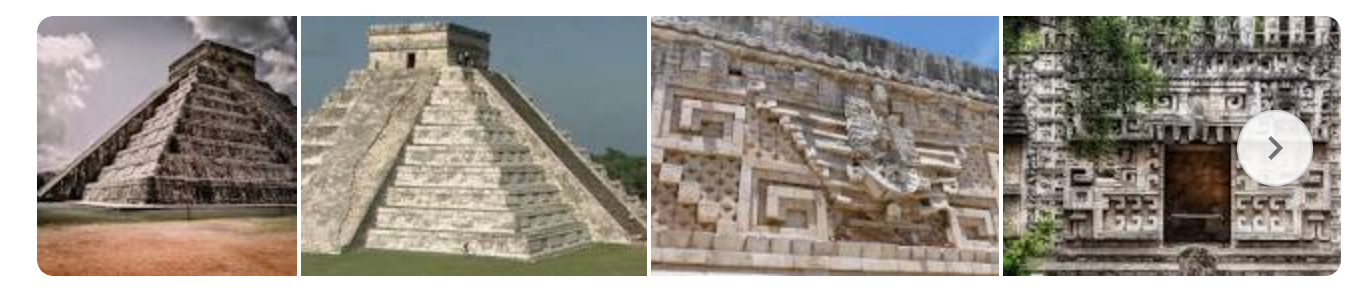
We start the course with an inquiry into the Mayan society using material objects from the collection of the British Museum via Google Arts and Culture.
Note to teachers: The best way to start a history course is to jump in and INQUIRE! The focus is on the importance of primary sources in history. Though students do learn about Maya people and culture, the real focus is on the evidence itself and what it tells us about what was most important to them. One year, I specified that the main inquiry question was: what was more important to the Maya, corn or religion?
Stay tuned for Maya Inquiry link.
https://artsandculture.google.com/project/exploring-the-maya-world
To find out about inquiry:
https://docs.google.com/presentation/d/1z1Pwfu5_T_9WNETBt_NohQnjlczaNkfcqo0afIgbFBI/edit?usp=sharing
Thinking About Thinking
Critical Thinking and Criteria
A critical thinker is someone who examines their thoughts and opinions and those of others. It doesn’t mean they’re necessarily negative; it means they don’t accept things at face value without deeper consideration.
In history class, one of the most important aspects of critical thinking is using criteria. Criteria are the things people use to help make good decisions. For example, every day you get dressed (presumably in the morning); you must have some decision-making standards, even if you haven’t thought about them consciously, for what to choose to wear. Criteria could include the weather, the tasks for the day, what is clean at the moment, your mood, what colour you feel like wearing, etc.
In history class, using criteria will help us structure our thoughts about the societies we are studying. Doing this will help us avoid jumping to judgement (or just blabbing our personal opinions!) without deep thought. Since we’ll do some research, we can similarly use criteria to help organize and interpret the research findings.
Let’s put some structure into our thinking!
Here’s a little tip: avoid fuzzy words (words that need criteria in order to define them):
- good
- great
- bad
- okay
What do these words actually mean??? They’re all highly interpretative.
CRITERIA in Action
In Historical Thinking we’ll use criteria to determine significance. It can be a fuzzy word if you don’t know what determines significance.
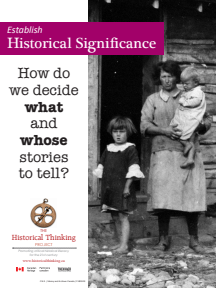 We need a basis for determining what is significant. Check HTC handouts for details.
Visible Thinking
As we learn to think critically (meaning we examine things, not we criticize things), these tools might be of use. They are from Visible Thinking, part of Harvard University’s Project Zero. In short, they are to help students develop useful and critical thinking routines and processes by reflecting and purposefully delineating (visibly identifying) that thinking.
- A good reflection to start with, especially after you’ve learned something new and/or surprising, is “I used to think … Now I think.” Directly identifying what has changed in your thought process is a great introduction to critical thinking. It also helps you to think about change itself, one of the HTCs. Source
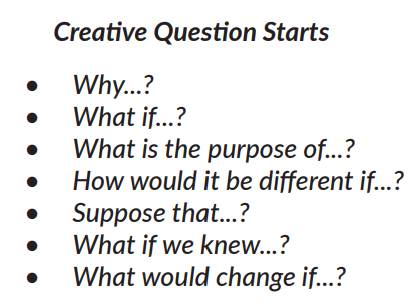
2. A beneficial next step is to become a good questioner. Asking good questions is just as important as answering questions. That might surprise you! “Creative Question Starts” asks students to brainstorm 12 questions on a topic. There are some criteria for good questions, such as they are meant to probe thinking, not just to identify facts. Asking for 12 questions also helps students see that a topic can be very broad. There are always many angles to consider. As thinking on a topic becomes deeper (with research), questions should change and get deeper too. Source
Note to teachers: I use this strategy a lot in getting students to ask questions about maps, such as an interactive map of the Trans-Atlantic slave trade and maps relating to late 19th century imperialism/colonialism.
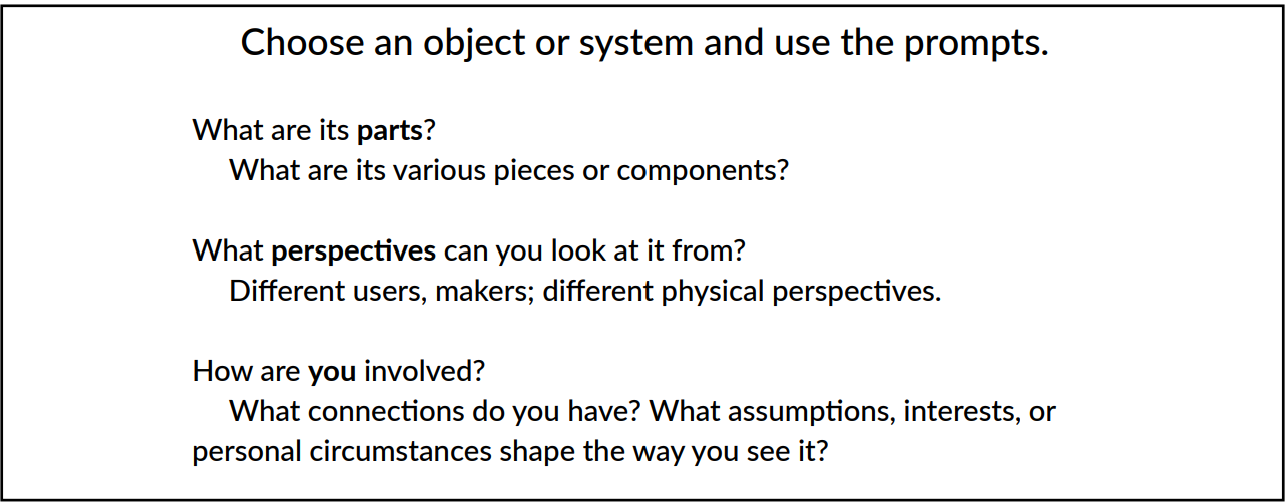
3. As our thinking becomes more complex, we will run into systems. A system could refer to the way a government worked in a society, the way a society was organized (social hierarchy or the evil triangle as I like to call it), the way an empire worked to extract resources from its colonies, etc. If we examine these systems in detail (we take them apart aka analyze them), we can get a better, deeper understanding of how they worked (or didn’t work, or worked for some, failed for others). “Parts, Perspectives, and Me” is a great tool. Source
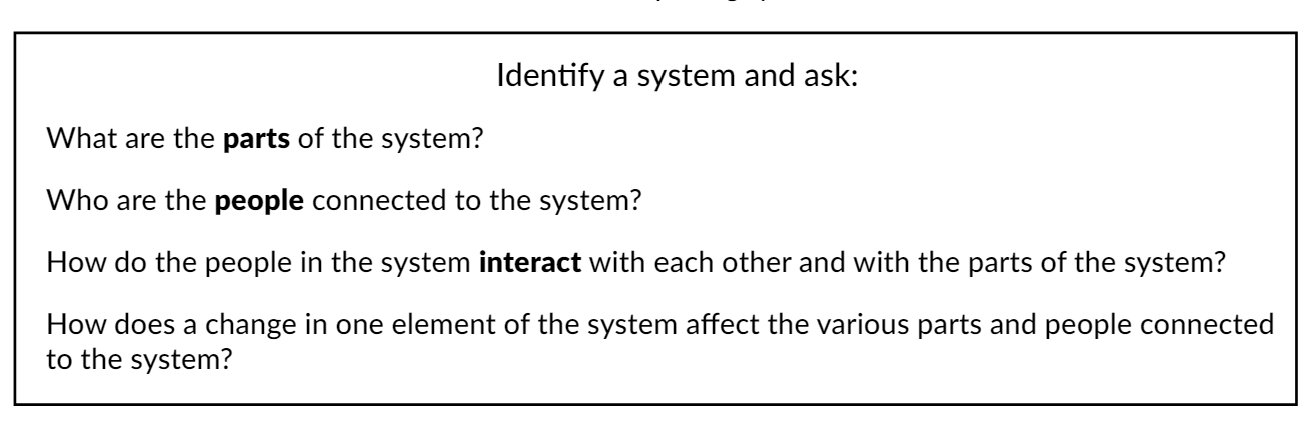
4. To further deepen this system thinking, we can use “Parts, People, Interactions.“ Here the questions are slightly different, with more focus on the people in the systems and how they might be affected by changes. There are obvious ties to HTCs here, such as through historical perspectives, and intended and unintended consequences. Source
PERSIAT(E)
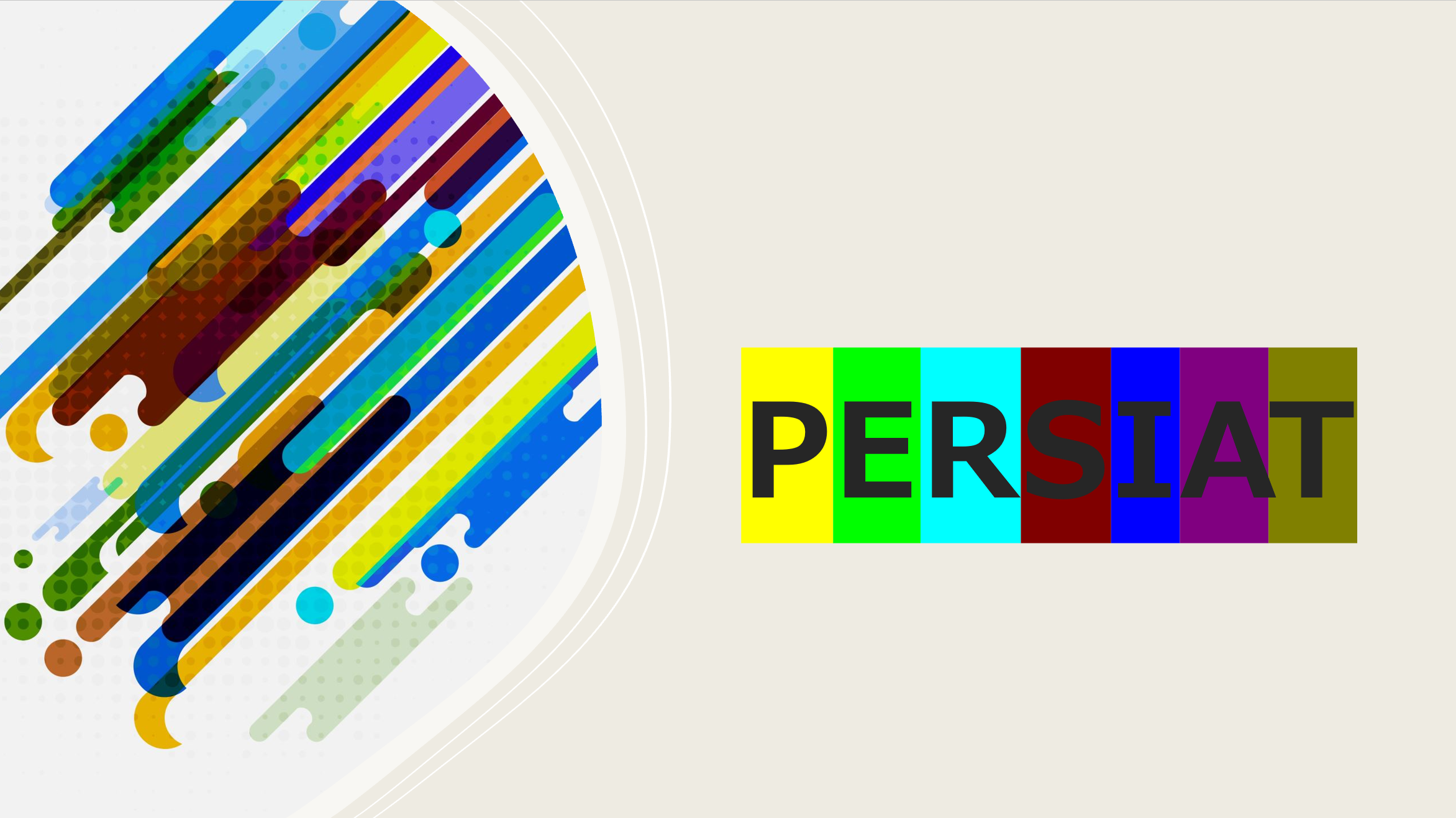
PERSIAT is an acronym for categories that we use to study a society from the bottom up, rather than the top down; PERSIAT allows us to look at all of society, not just the powerful people, and determine what life was like. We could add another E to the end to look at environment. Obviously there is a lot of overlap between categories.
P political (government, power, decision-making)
E economic (trade, barter, money, industries, basis of the economy – overlaps with classes which is in social)
R religious
S social (relations between people, groups of people, social hierarchy [classes, status, occupations that overlap with power], gender, identities/orientations, classes, ethnicity/race) – usually the biggest category
I intellectual (ideas, philosophies, innovations overlaps with technological)
A artistic
T technological
E Environmental
We also must consider internal and external factors that affect a society when doing “PERSIAT or PERSIATE”.
Becoming a Fact-Checker
While you research Mayan civilization, you’ll learn about how to become a good fact checker from Ctrl-F. It’s not difficult. If you practice, it will become a habit. A fact checker doesn’t just trust a source (e.g., a website) because it’s on the internet (or found by AI). They make sure the information is correct, often by checking other sources.
Note to teachers: I haven’t done this skill in class for a few years as I’ve been much more controlling about the sources students use (e.g., we used TDSB Virtual Library links or links I pre-approved for the kids, ONLY).
Historical Thinking Concepts
- Historical Thinking Concepts – see the package on the HTC section of the blog or under HTC in google classroom (there are videos, too)
- when we use HTCs we are doing disciplinary thinking – we’re thinking like historians. That’s very important for “how to history”.
CONTEXT
Context = background: What’s going on in a society (in PERSIAT) in the time period you’re studying. It’s crucial to have context in order to take proper historical perspectives.
For example, if future historians are studying the 2020s in world history they will absolutely need to know context such as the pandemic or the sudden surge in AI. Otherwise there’s a huge hole in understanding our way of life at this time and the things that have affected it.
Note to teachers: I can be a bit of a context freak. I took some years off stressing context, but then, as I devoted more attention to visible thinking, I valued context so much that my students became context freaks, too! I don’t regret it.
Archaeology is not our focus this semester but …
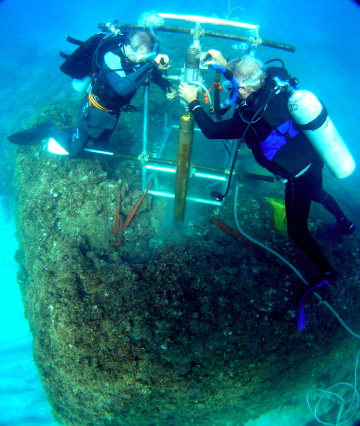
Archaeology words:
excavation
preserve
Note to teachers: archaeology is part of “how to history.” It’s nice to know but these days, there’s rarely time to acknowledge it.
Archaeology Ripped from the Headlines
Oldest cave art found in Sulawesi (2021)
Archaeologist who used beetles to unlock past
Ancient Church Hidden in Turkish Lake. And a Pagan Temple May Lie Beneath It.
Frink’s Dig (an assignment by Scott Pollock)
- how does archaeology contribute to history?
- archaeologists unearth or uncover objects (artefacts) from the past
Read the handouts and look at the two diagrams and identify:
- logical interpretations
- evidence (artifacts) to back them up
- Interpretations:
- green light – pretty sure (probable)
- yellow light – might be true (possible)
- red light – not really sure (might, could) – we are going to practice using the language of NON-certainty regarding organized religion, trade, class structure, job specialization
Paleolithic Life
Skills: interpretation of artefacts, making inferences, annotating handouts
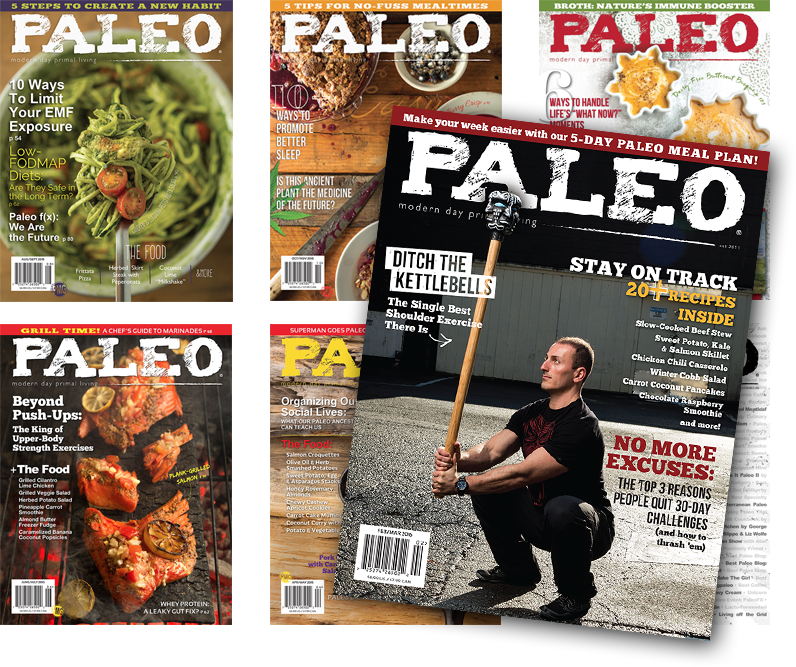
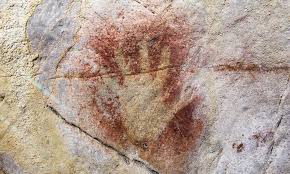
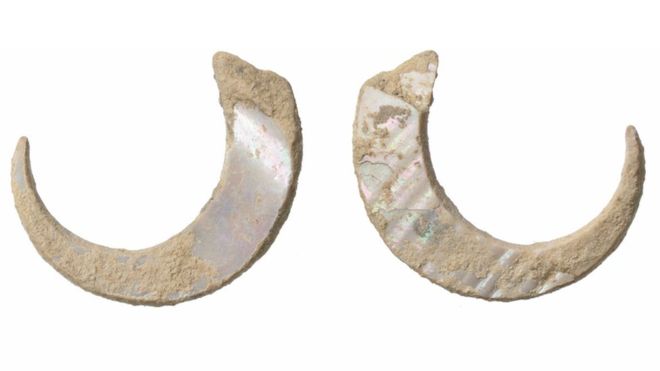
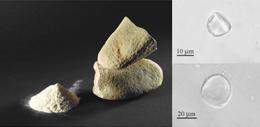
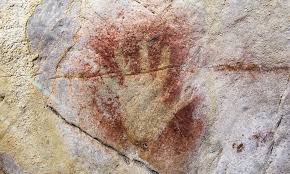
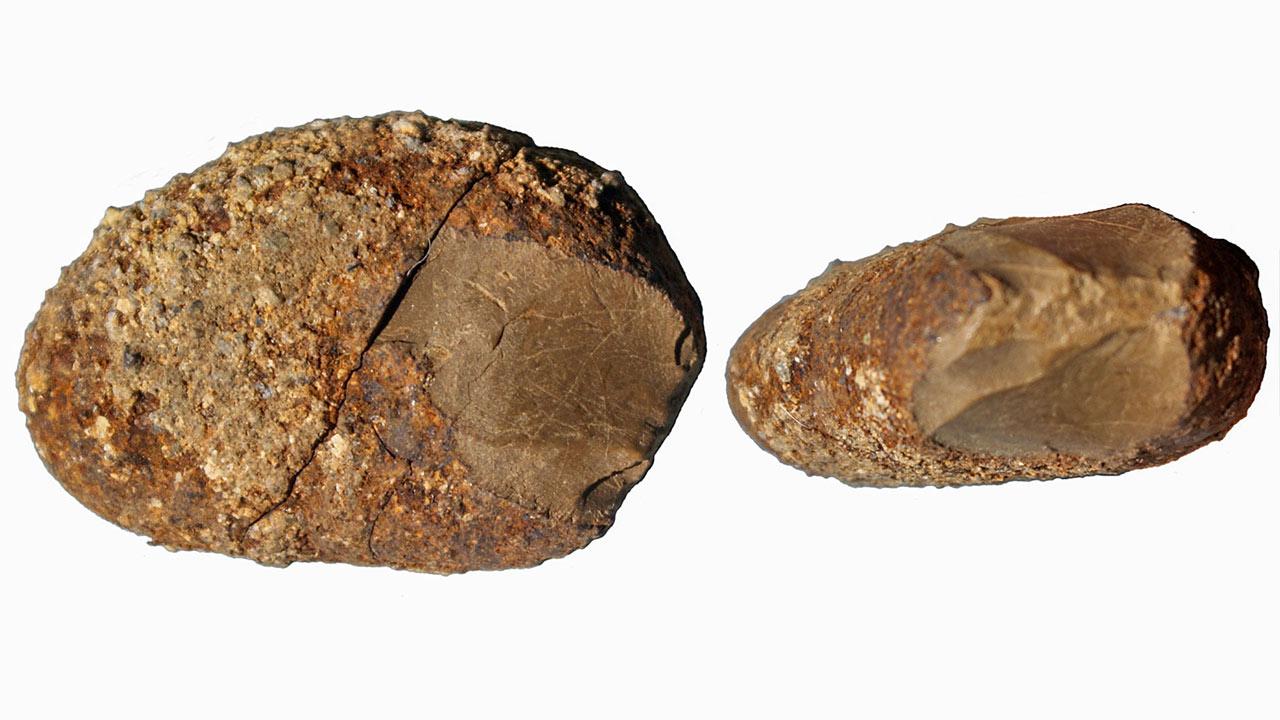
Is this your impression of paleolithic life? I hope not. What you see below is evidence from paleolithic societies. New discoveries are being made all the time in the study of this era in world history.
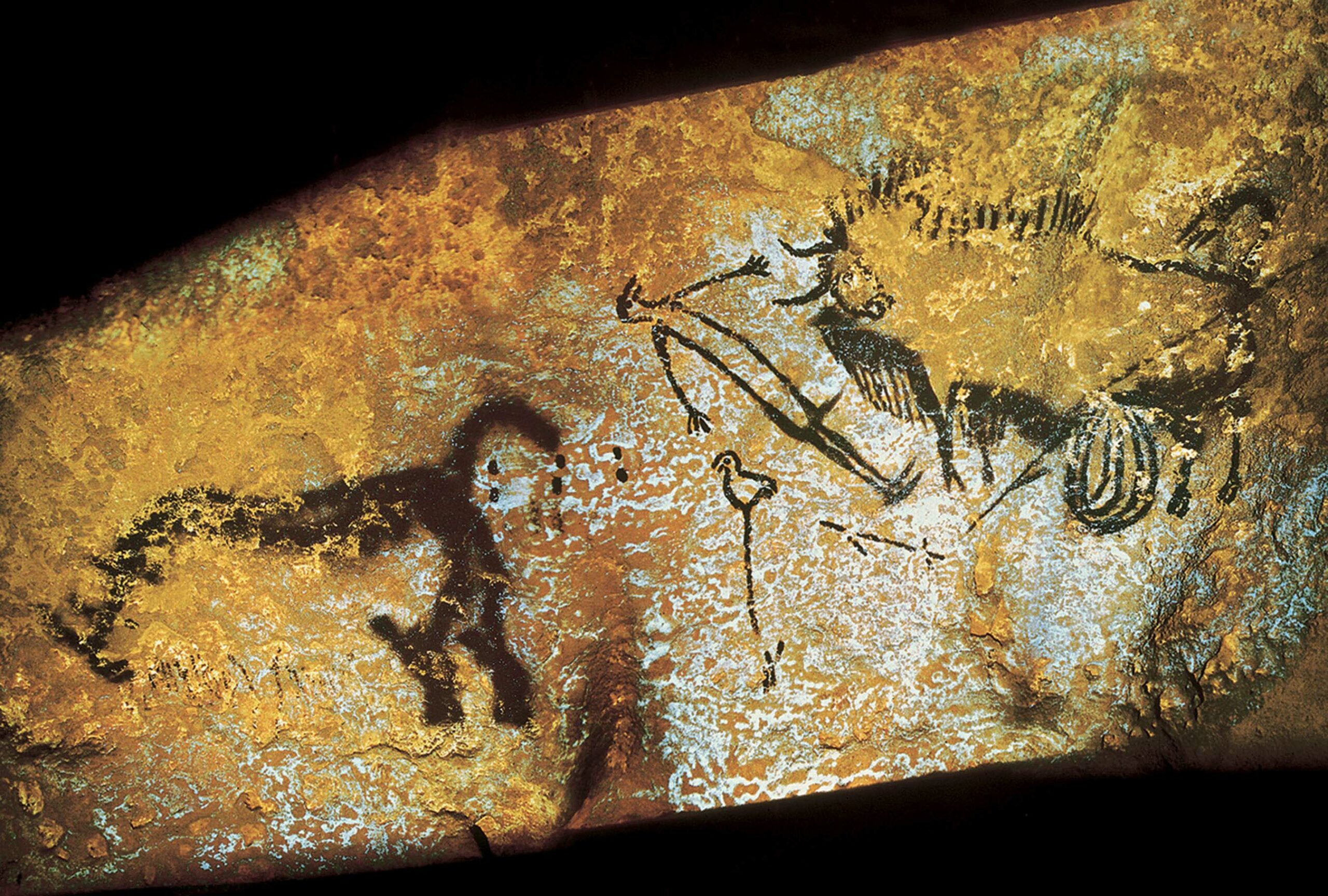
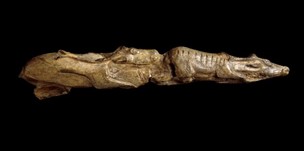
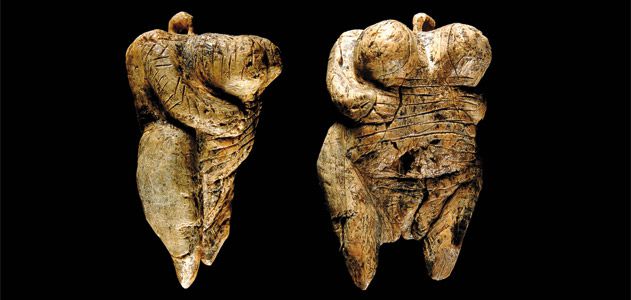
Task: Annotate the following handout. CHW3M_Paleolithic_Society_Overview
How to Annotate – watch these videos if you don’t know how:
Note to teachers: I am a BIG advocate of annotation. I replaced most note-taking with annotation. It’s quicker and it is more practical. Since I print all handouts and do all quizzes/tests/exams open book, their annotations are extremely valuable.
Intro_to_Paleo_2020-21 (PPT)
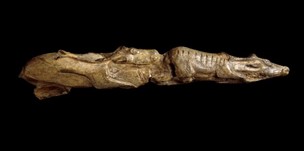
- Reindeer carving – artifact interpretation helps us make inferences about paleolithic life (since the paleolithic people didn’t leave written records to tell us their thoughts).
TASK : Using pages 31-34 in the textbook, fill in the PERSIAT chart for Paleolithic society. Ms G pre-made a chart template for you.
Note to teachers: the textbook is outdated, but it still has useful information. By combining it with updated resources (such as the materials derived from the writing of the e-learning course, I can get students to corroborate using the two sources together). A chart by itself is not of much use. That is a VERY important thing for new teachers to learn. The chart has a purpose. It’s a tool. Not an end unto itself.
CHW3M Unit 1 PERSIAT chart for Paleolithic Society
Note-Taking
- the main goal of note-taking is to get the main ideas and the important details (examples) to support them
- if you don’t record details, then it’s all very general and Paleolithic society could sound a lot like any other society
- there should be very specific artefacts (objects) named in your notes
- caution – don’t copy the textbook word-for-word
- there should be very specific artefacts (objects) named in your notes
Note: there may be some disagreement on which PERSIAT category to put information in. Some details could go in multiple categories. That’s totally fine.
Do you think any of the following apply to paleolithic people?
innovative, improved, inventive, intuitive, ingenious, adaptive, creative, resourceful?
Key Characteristics of Paleolithic Life:
- communal (vs. private/individualistic)
- trade/barter with outsiders
- gatherer-hunter (more calories came from gathering so the words should be in this order)
- nomadic
- resourceful
- artistic
- supernatural beliefs
Paleolithic Videos:
Paleolithic art video (National Geographic), Chauvet caves art video (BBC), 360 view of Lascaux video (NY Times), virtual tour of Lascaux video (vimeo), retrieving a paleolithic skull in Mexico video (PBS).
Paleolithic Roles:
TASK: Fill in roles worksheet by making inferences from what you’ve learned so far about paleolithic society. For gender, most is speculation (though there is some hard evidence regarding cave paintings and hand size). For group, it’s either the larger band or the smaller family group. Roles_Paleolithic_Chart
Note to teachers: When students share their inferences, have them indicate if their level of certainty: red (totally uncertain), yellow (possible), green (there’s proof). I like to have the kids brainstorm a list of words for each of red/yellow/green.
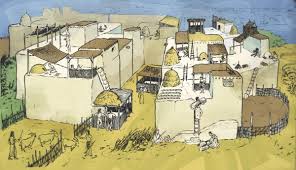
Note to teachers about Paleolithic Society: this is not a favourite topic amongst students. I like it more than them, for sure. But I’ve maintained it because of the numerous benefits it offers, such as:
- allowing students to think critically about our way of life, especially regarding the environment and our reliance on technology
- it’s a great introduction to the importance of material evidence since there isn’t writing to rely on
- it reinforces the importance of inferencing and the course allowing them to make interpretations (as long as they are evidence-based)
- in turn, this shows the students that I – as the teacher – don’t always have the answers
Transitioning to Neolithic Society
Minds On: Why don’t we live the paleolithic lifestyle today?
Task: In groups, do the Jarmo classification exercise. Jarmo Classification Exercise
- divide the objects found at Jarmo into as many categories as possible, including sub-categories (e.g., measurements, distances, plants, animals, hunted animals, farmed animals)
- you do not need to list what goes into each category
After, decide if the people of Jarmo were paleolithic? If not, make two hypotheses about them.
Characteristics of Neolithic Society
- they were stationary/settled (non-nomadic)
- they had agriculture (control of plants)/farming
- they domesticated animals (bred and raised animals for human purposes)
- they also had art, traded (bartered) and were resourceful, just like paleolithic people; they were probably less communal (as we saw through the Emergence of Agriculture = advantages and disadvantages)
Emergence of Agriculture (in handouts): make sure you know that agriculture came with consequences, both positive and negative. Emergence of Agriculture chart without answers
TASK Using pages 35-36 in textbook, make a PERSIAT chart for Neolithic society. CHW3M Unit 1 PERSIAT chart for Neolithic Society
OLD Unit Culminating Activity – (“How to History” formal academic paragraph)
See side page for all tips, rubrics, the outline, websites and instructions.
The replacement for the old unit culminating activity was an in-class write-up about how all the topics of unit 1 taught us about primary source evidence. When I get my links sorted out, I will try to find it.