How was an atheist teacher of ancient history able to manage given that history has been dominated by religion?
Obviously, I could not ignore it – though I definitley ignored Greek mythology. I faced religion head on in both world history courses, but especially grade 11, the way I do in society today; even though I am an atheist and thus, by definition, a secularist, I detest evangelism, so I accept people as they are.
For the most part, especially in ancient history, I would say that religion was an organizing principle for the governing unit – whether country, empire, province, city-state, whatever. It would be anti-historical of me to not recognize that. Maybe I over-compensated and spent too much time on religion as an organizing tool. The point being that in a non-secular society, there is not much of a separation between religion and anything else.
Even though I’m an atheist, I still enjoy going to a museum and looking at Egyptian objects that had religious value: an amulet, a pharaoh’s throne, a statue. Many everyday Egyptian objects connected to religion. This site highlights 14 interesting objects from everyday life. The descriptions are fine, but I’d probably add more about the afterlife and how the tombs the objects were found in are related to the quest for the afterlife.
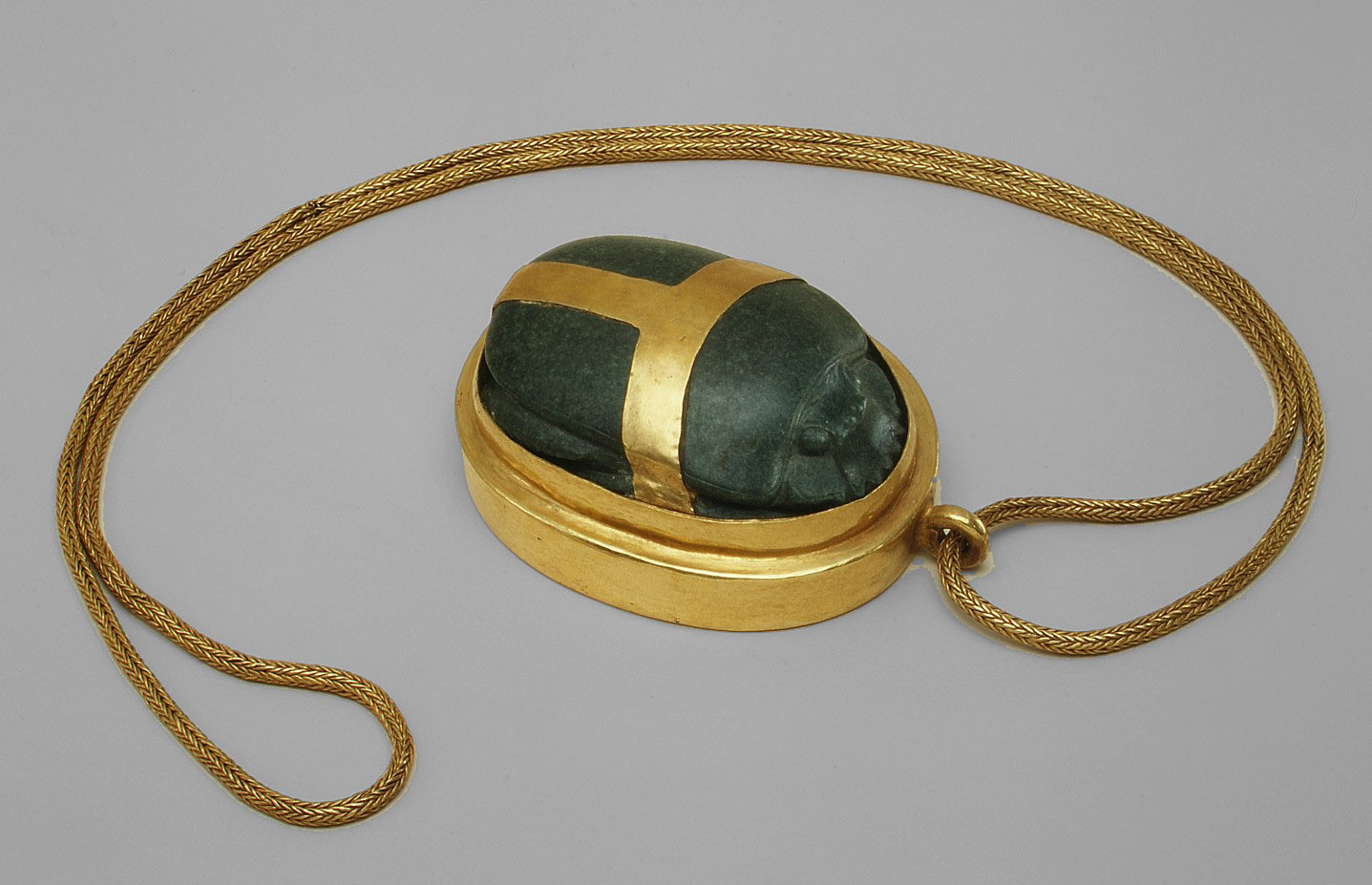
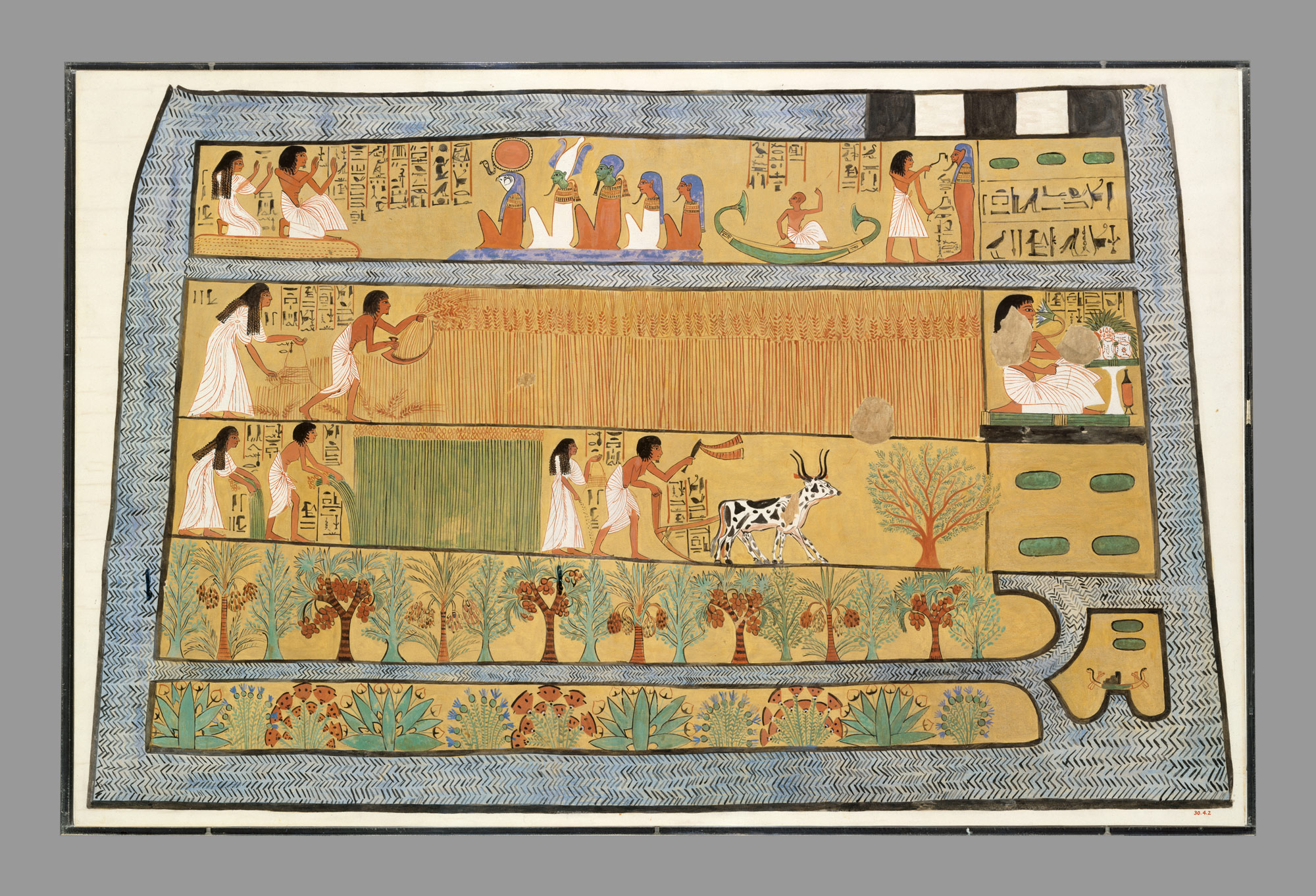
How did I handle the practitioners or believers, AKA the people? I believe I tried not to dismiss them. I went out of my way to make sure my students understood that proper historical analysis does not judge the past by today’s values. Though we cannot walk in Egyptians’ shoes, so to speak, we can use context and evidence to produce a relatively accurate picture of the way they lived. And that included believing whole-heartedly in the gods and goddesses and everything they ‘touched’.
What about the Romans, who went from relatively tolerant polytheists to polytheists who condemned Judaism and Christianity, then to Christians who condemned polytheism? I never really studied Roman polytheistic religion in depth, as I have Egyptian state religion, probably because I struggle to memorize the many gods and goddesses and their relationships. But one thing I found interesting about the Roman religion pre-Christianity was its emphasis on process over belief (as we would call it today, I suppose). A prayer wasn’t a heart-felt message addressed to a particular god; it was a process that had to be done correctly in order for that god to favour the speaker of the prayer.
How about the Roman priests’ fascination with birds for identifying omens (not exactly predicting the future): wow, you just can’t make this stuff up. Read what Imperium Romanum has to say about auspices and augurs and their connection to Jupiter. I will never forget the lesson a U of T Roman history lecturer gave about “checking the chickens.” He also had a pretty good grasp of the connections between Rome and Star Trek, but that’s for another post.
Here’s a description of the chickens from, of all places, Diderot’s encyclopedia – not a collection that was generally in favour of religion.
Sacred chickens were chickens raised by priests in Roman times, and which were used for making auguries. Nothing significant was undertaken in the Senate or in the armies, without omens being drawn from the sacred chickens . The most common method of drawing these omens consisted in examining the manner in which the chickens dealt with grain that was presented to them. If they ate it avidly while stamping their feet and scattering it here and there, the augury was favorable; if they refused to eat and drink, the omen was bad and the undertaking for which it was consulted was abandoned. When there was a need to render this sort of divination favorable, the chickens were left in a cage for a certain amount of time without eating; after that the priests opened the cage and threw their feed to them
Jaucourt, Louis, chevalier de. “Sacred chickens.” The Encyclopedia of Diderot & d’Alembert Collaborative Translation Project. Translated by Dena Goodman. Ann Arbor: Michigan Publishing, University of Michigan Library, 2007. Sept. 23, 2026, <http://hdl.handle.net/2027/spo.did2222.0000.865>. Trans. of “Poulets Sacrés,” Encyclopédie ou Dictionnaire raisonné des sciences, des arts et des métiers, vol. 13. Paris, 1765. I found it at this University of Michigan site.
Certainly my view of religion must have clouded my tone when teaching about times when religion was used to justify horrible actions, such as the Crusades. But that’s somewhat okay because ethically it’s not acceptable to hide behind “but it was different back then” when teaching topics that involve mass deaths. I carefully crafted brief introductory / contextual lessons on the Middle Ages in Europe to introduce the centrality of the Roman Catholic Church, and beliefs about heresy. I also made sure to incorporate the history and culture of some Islamic societies and their progressive scientific investigations (which were tied to Islam) before students examined the Crusades. Interestingly, it’s one of the lessons I tweaked the most over the years because there was little time for it but lots to be done.
Overall, ancient history brought out tolerance of religion in this atheist. It’s never a bad thing to be tolerant.