Hello to anyone who uses my blog for world history teaching materials. Some of the links may not work for a while as my TDSB account has been terminated now that I have retired. I hope to have access again at some point and start reorganizing. [I started August 2026 on the first two units of CHW3M and CHY4U].
Thanks for your patience. I promise I won’t stop maintaining my World History blog in order to help teachers and share my reflections on a meaningful career.
Thanks, please also feel free to check out some of my other content such as book reviews.
Yesterday, I saw chickadees and goldfinches scrounging for food. It had been a while since I saw them as they know we don’t put out bird food in the summer.
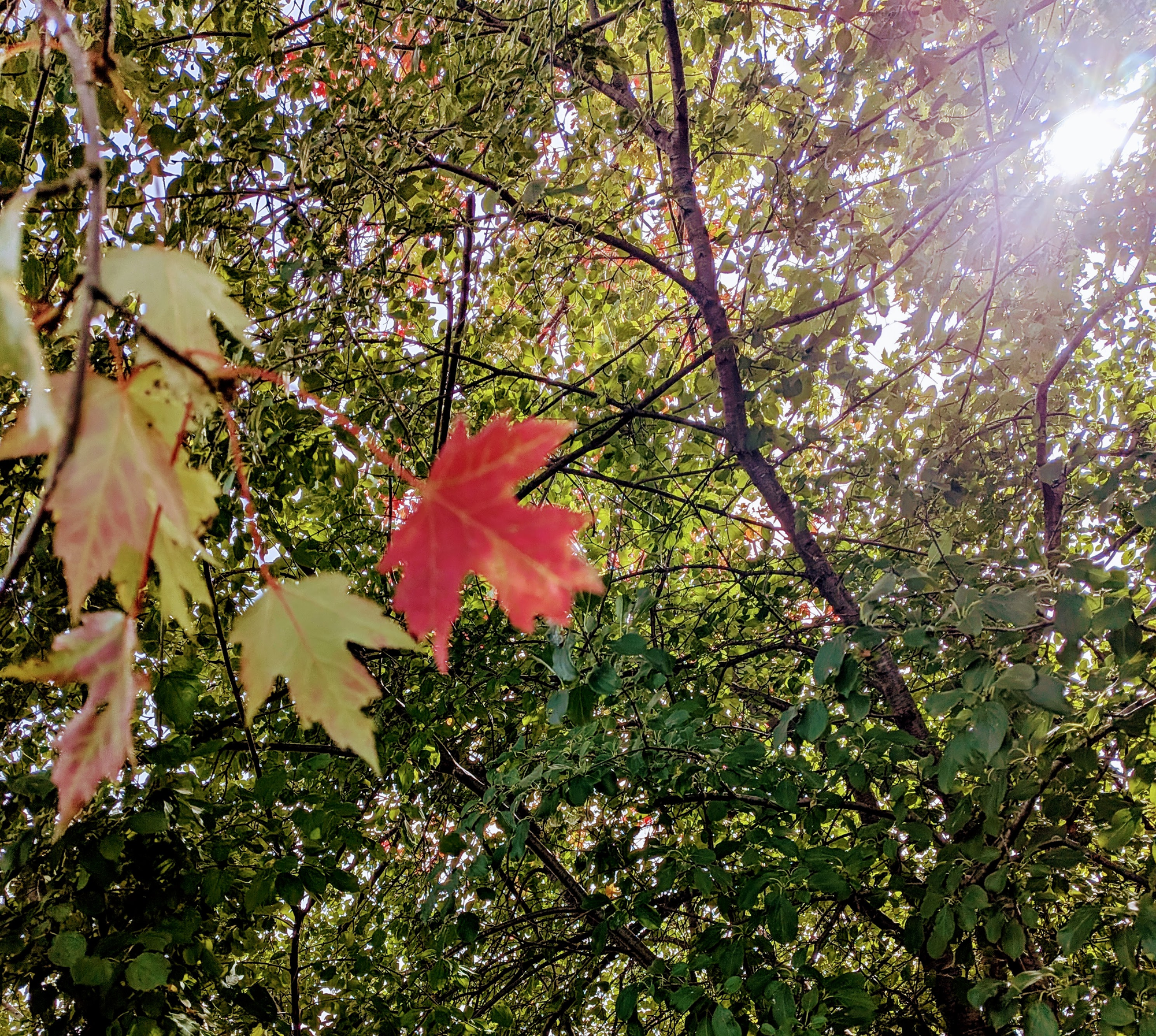
There’s a red leaf here and there. Go Canada!
Fall just happened. Quickly. Adjusting to a new pace of life, I got caught off guard.
I guess I’m feeling nostalgic about this time of year when I didn’t used to need any outside prompting to know what to do; third week of school was the time to get some marks, get to know the kids more, start organizing for the next unit, etc. Now, I admit I’m a bit directionless.
So I did something totally out of character for me – because I hate straight-up timelines – I checked what happened in history on September 22. As silly as that sounds, it brought to mind some fun and skill-building class activities I might do with the website On This Day. I suppose I just cannot get teaching out of my head.
Students could work in groups to identify patterns and trends in the timeline of the day (any day). Are the patterns accidental or is there something significant about the time of year common in multiple countries across different time periods of history?
For younger students, it might be best for students to find some personal connections to events to demonstrate what a pattern might look like. For instance, for me, a person relatively familiar with general world history, there are a lot of premiers of television shows I did not enjoy or watch at all (Full House, Family Ties, Baywatch), while the West Wing is one of my all-time favourites, with the incredible Allison Janney winning multiple awards. The pattern shows this is the time of year in the US for both show premiers and for the Emmy awards. I also noticed a few events and people I’ve read books about, such as The Salem Witch Trials, Charles Darwin, Abraham Lincoln, and the Abu Simbel Temples.
According to whom are these the most important events on this day? Given that many of the events in the timeline for September 22 seemed western-oriented, I was a bit surprised to learn that most of the editors of “On This Day” are from Australia or New Zealand. Introducing perspective here.
My favourite: what criteria do the editors use to select events?
How is context provided on the website itself to help students understand the editors’ choices? There are clues to be found.
For corroboration (or not), what do other websites of this nature say about events of this day? I suppose students could also compare to AI. I say that begrudgingly.
I personally wouldn’t do this activity with grade 11 or 12 world history students, but maybe with grade 10s or younger as a ‘get to know you’ activity. I’m more of a “timeline with attitude” kind of person. Perhaps I’m subconsciously thinking about the last unit four activity of grade 12 history to update on this website.
As a newly retired teacher, I am not in the trenches anymore. However, I am all too familiar with the wide scale of limitations that have been placed on public education under the Ford government. Not bargaining in good faith, especially when so much has been moved to the central table means that boards like TDSB, especially, are constantly struggling to keep up with student challenges, most importantly mental health. As someone who worked directly with the school psychologist, school social worker and school child and youth worker, I can say schools absolutely need more of these professionals! That’s just one small issue in a very populous and diverse school board that is currently being run into the ground as if it’s a failing business.
A school is not a business!
The union may not be perfect but it’s a means to a collective goal of supporting students.
Remember, teachers’ working conditions are students’ learning conditions.
To my teaching colleagues and friends, I sincerely hope your new school year starts off in the best way possible – without too much overly confusing oversight from the Ministry of Education! In all seriousness, even with all the changes and potential storms ahead, always remember that teaching is an incredible career full of hope and possibility.
To my former students who may check out this website, wherever you are, whatever you are doing, I hope you are happy and preparing well for the future.
To those new to my website: I hope the resources are helpful.
I am looking forward to being able to sleep tonight, not worrying about a thousand things. Okay, let’s be honest; I’m still going to worry.
Not me. But I wrote something for those who are: my top six tips for starting the school year. I took into account the new Ministry of Ed. policy on attendance and participation.
Late last August I decided – rather, I relented – that it was time to get a smart phone. My dumb phone (text and calls only) was limiting my ability to navigate the TTC during a stoppage. And sometimes I could not get a phone call to go through to Val to get an update. Oh, woe is me. Obviously not. I willingly, if begrudingly, took the step I said I would never do.
I will be the first to admit that I took to the having a camera on my phone immediately. Already a person who loves to take photos, this was not a big step for me. Though I do find it annoying to see what my Google Pixel considers to be my highlights?? I also feel very badly that I have not taken many photos with regular cameras since getting this phone.
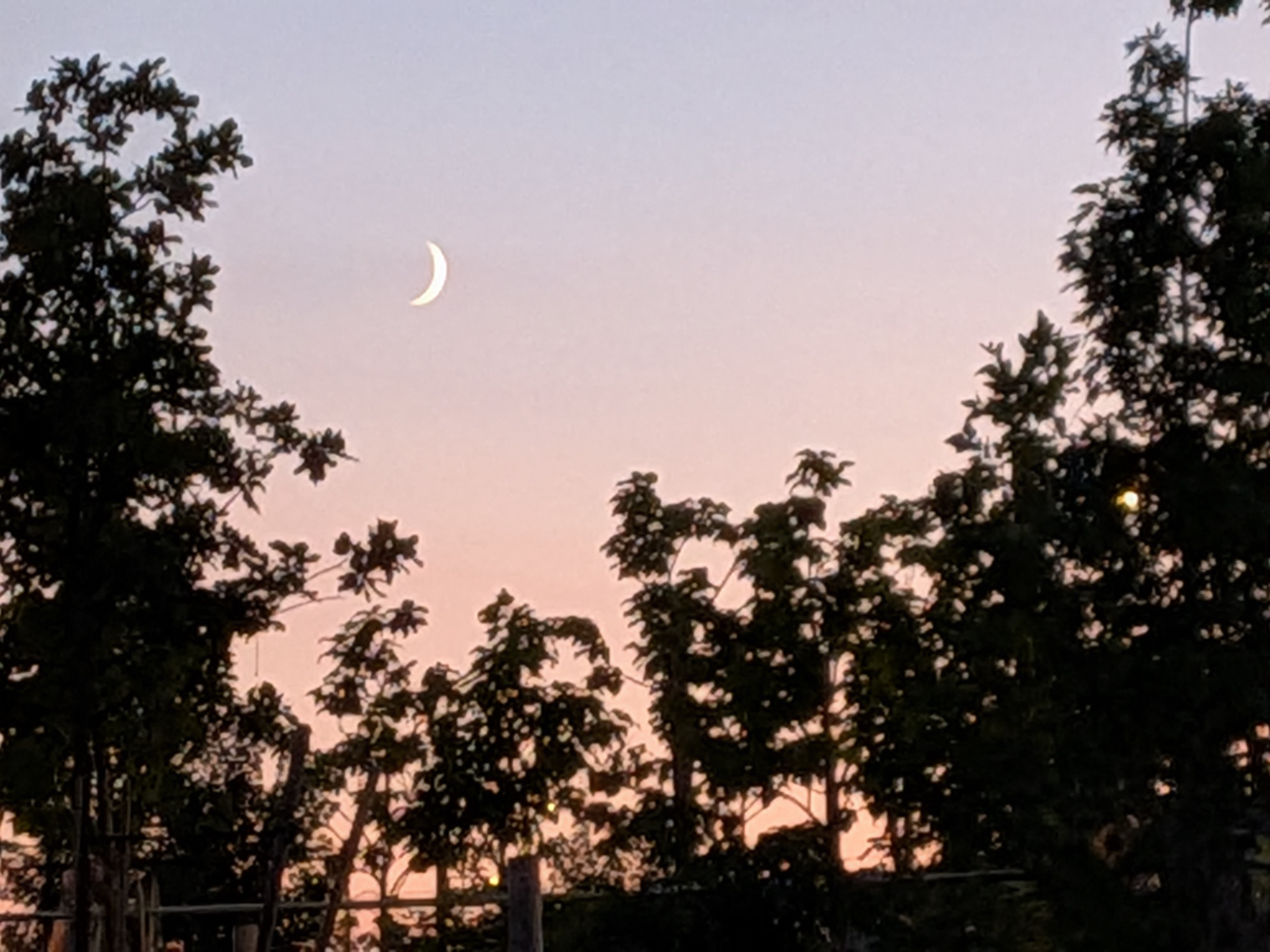
One of the first photos I took with the smart phone.
What was key for me was having access to the internet and email. I very wisely did not add my school (work) email to my phone. I figured I already answered my work email more than enough at the most inconvenient times for me.
Previous to getting a smart phone, I was already a regular YouTube user (almost exclusively for content related to figure skating, acrylic painting, and gardening) so that was not new to me. By contrast, previously, I was not a social media user. I had only reluctantly added Instagram on my laptop so I could follow one of my nephews on his world travels and ocasionally check up on my cousin in Vancouver. That’s it! Using Instagram on the computer entailed logging on, and then selecting whose account I wanted to look at. Very different from the phone.
Well, on my new phone, about five months ago, I accidentally installed Instagram by clicking on one of those annoying Instragram emails – see what’s new! It is so addictive on a phone. So immediate. It just pops up and sends you things (yes, I know I sound like a troglodlyte here). Its algorithm changes SO quickly if you aren’t careful. I could easily see how quickly one could get addicted. So I deleted Instagram last week. Ah, sigh of relief. Sign of autonomy!
Reflecting on my phone experience- keeping in mind that I have been a high school teacher whose clientele changed extensively because of the phone – I am very glad that I am an adult who grew up in the time before computers or smart were prevalent. I have the ability to make my own decisions, to be self-aware about what is being offered to me by media, to survive through times of boredom, and to use a technology rather than let it use me. Perhaps most crucially, I am a true believer in asking this question: “just because we can, does it mean we should?” We meaning society, of course. Or, perhaps more correctly and expansively in these troubled times, humanity.
Jonathan Haidt’s The Anxious Generation: How the Great Rewiring of Childhood Is Causing an Epidemic of Mental Illness had a crucial impact on me. It’s not that I was unaware of the topic – it was the daily bread of my life as a teacher; it’s that he helped me connect a lot of dots. As a high school History teacher and Student Success teacher who worked outside the classroom, I spent a lot of time counselling students, parents, and some teachers about the significance of phones being away during class, the impact of the phone on learning and attention.
Everyone who interacts with kids should read this book. Supplemental materials for each chapter are available at thislink.
I knew the kids (not all, of course) were addicted; it was plain to see. What I didn’t know is what that felt like. Now that I’ve experienced the tingle the phone gives you and the way it blocks out the world, I never want to feel it again.
Soon I’ll write a post about kids and phones in the classroom based on my experiences, particularly with my amazing last ever class in semester two of 2025-26.
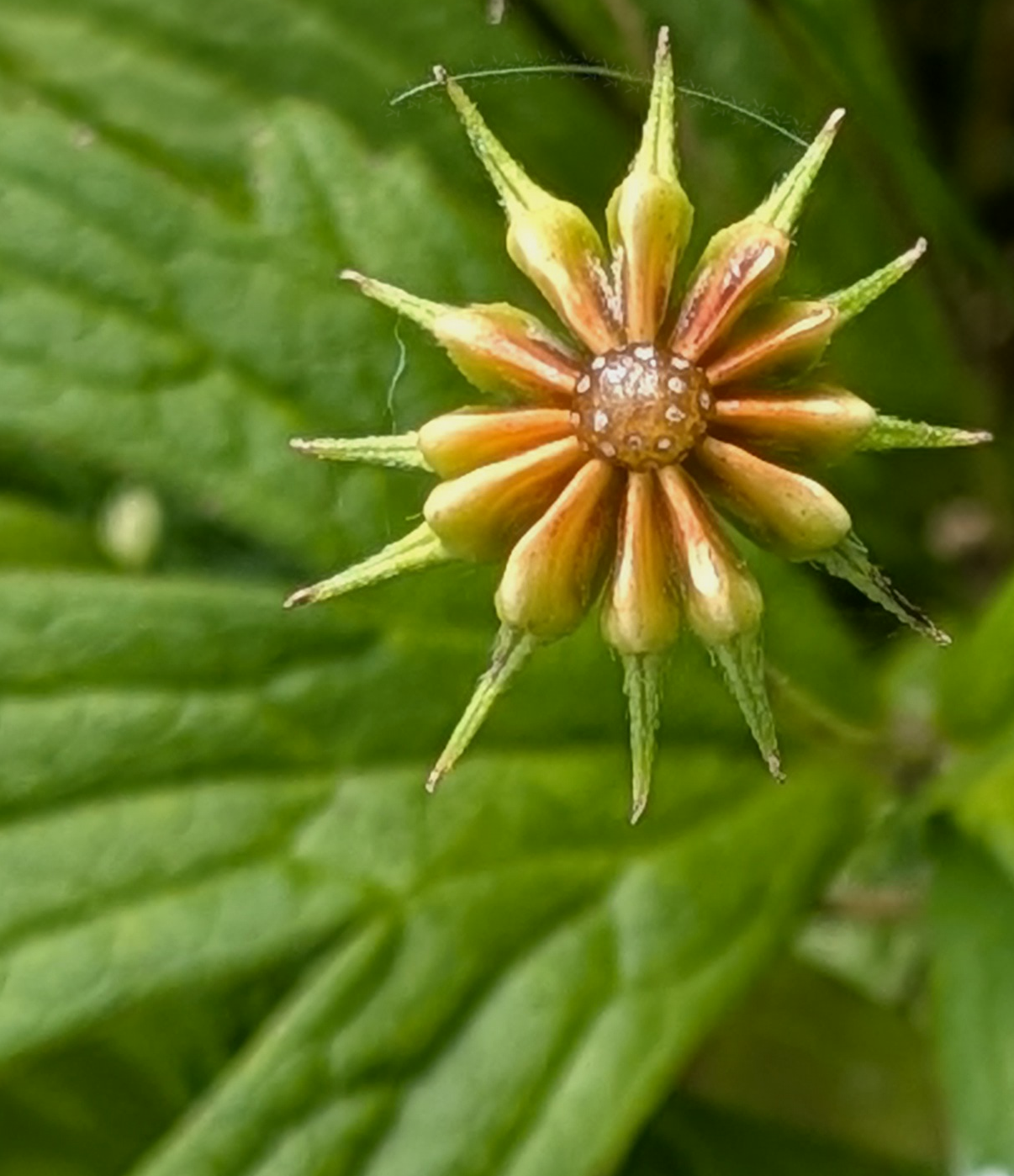
Canada anemone seedhead, August 2026 (edited on Gimp on my computer for a little irony).
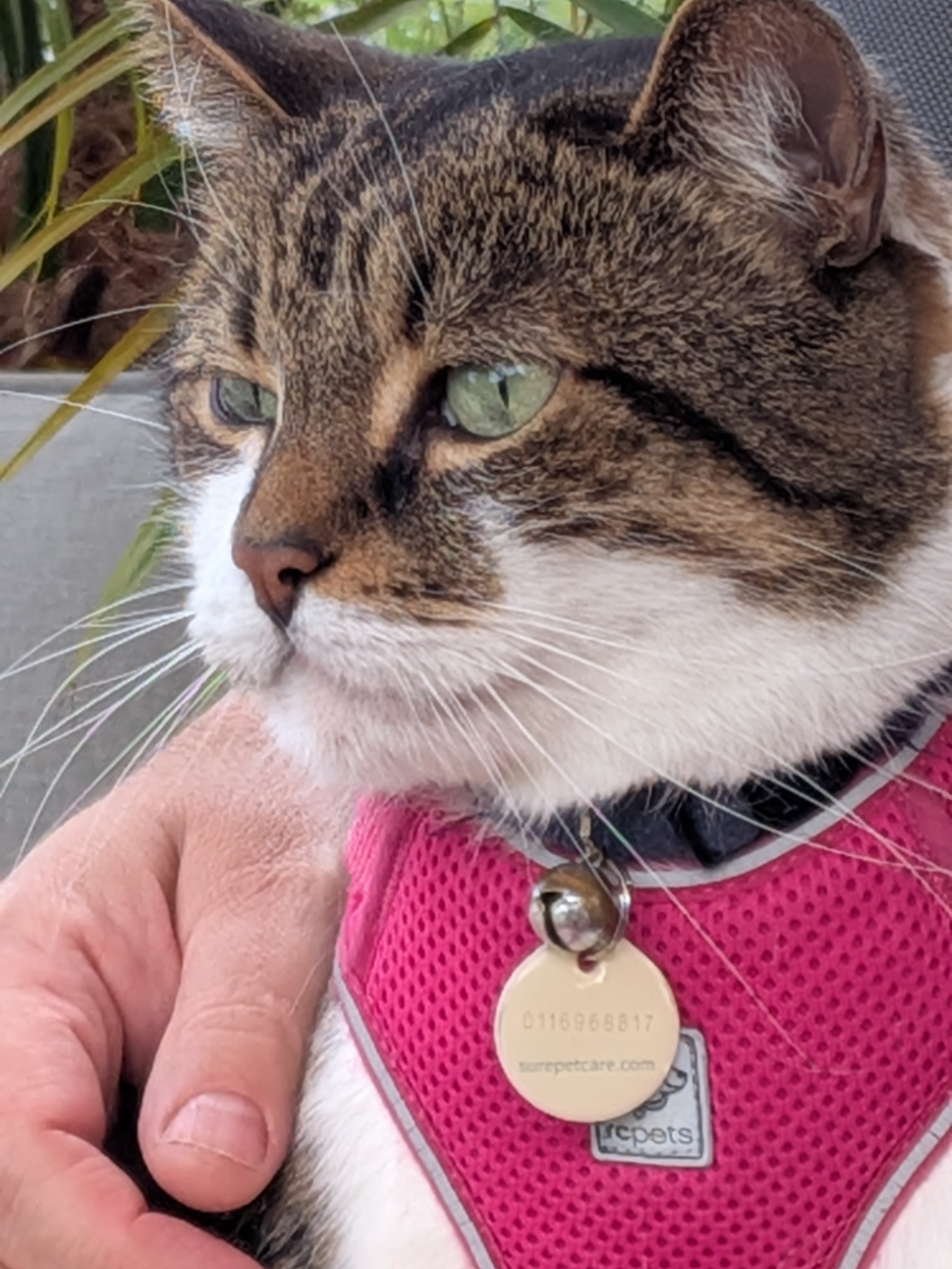
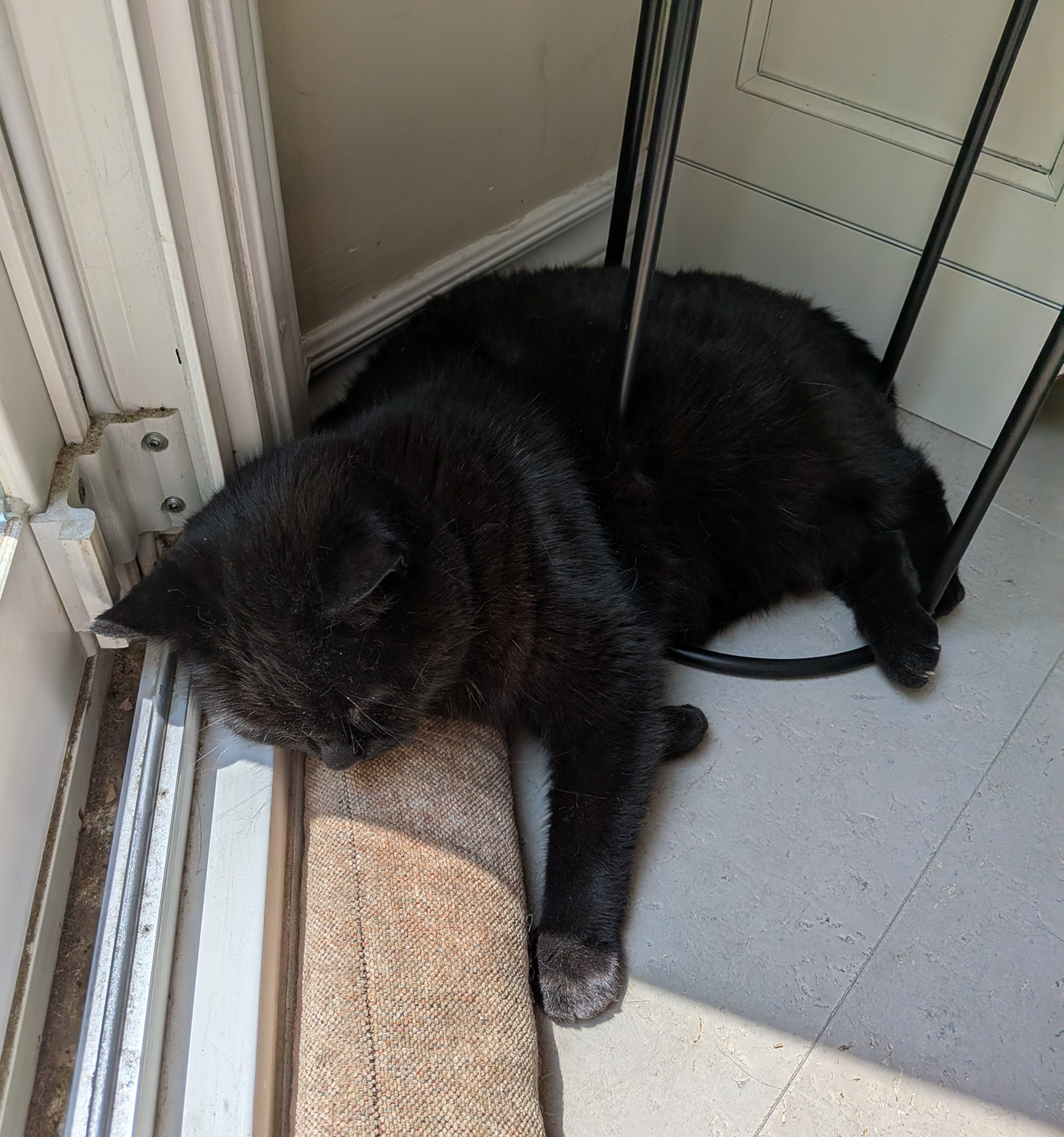
Lastly, I will note that Shadow and Richard make up the bulk of pics I take on my new phone. What a surprise!
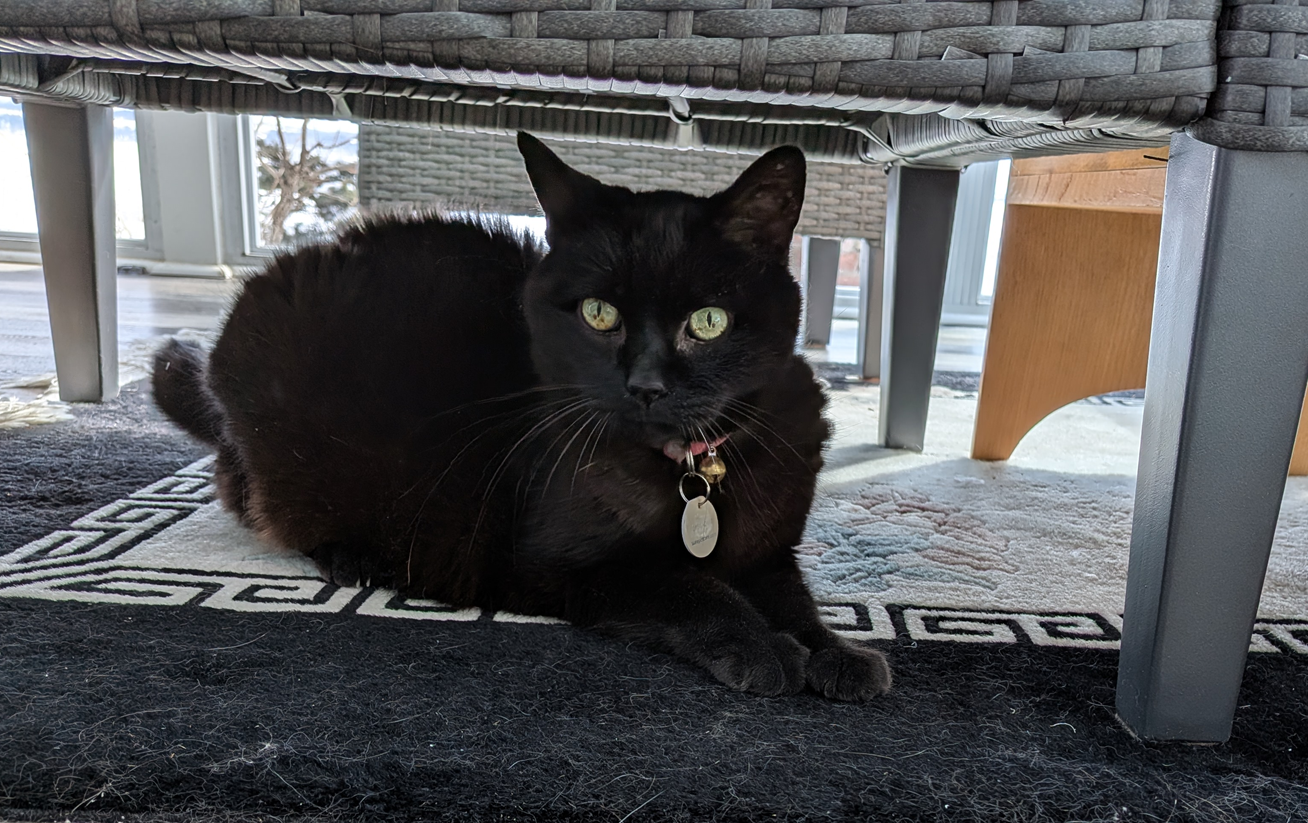
Richard continues to entertain himself and others by going under things in the weirdest ways.He’s a cat’s cat.Shadow does not want to be outdone by Richard! So she can go under things, too, especially when she thinks no one is looking.
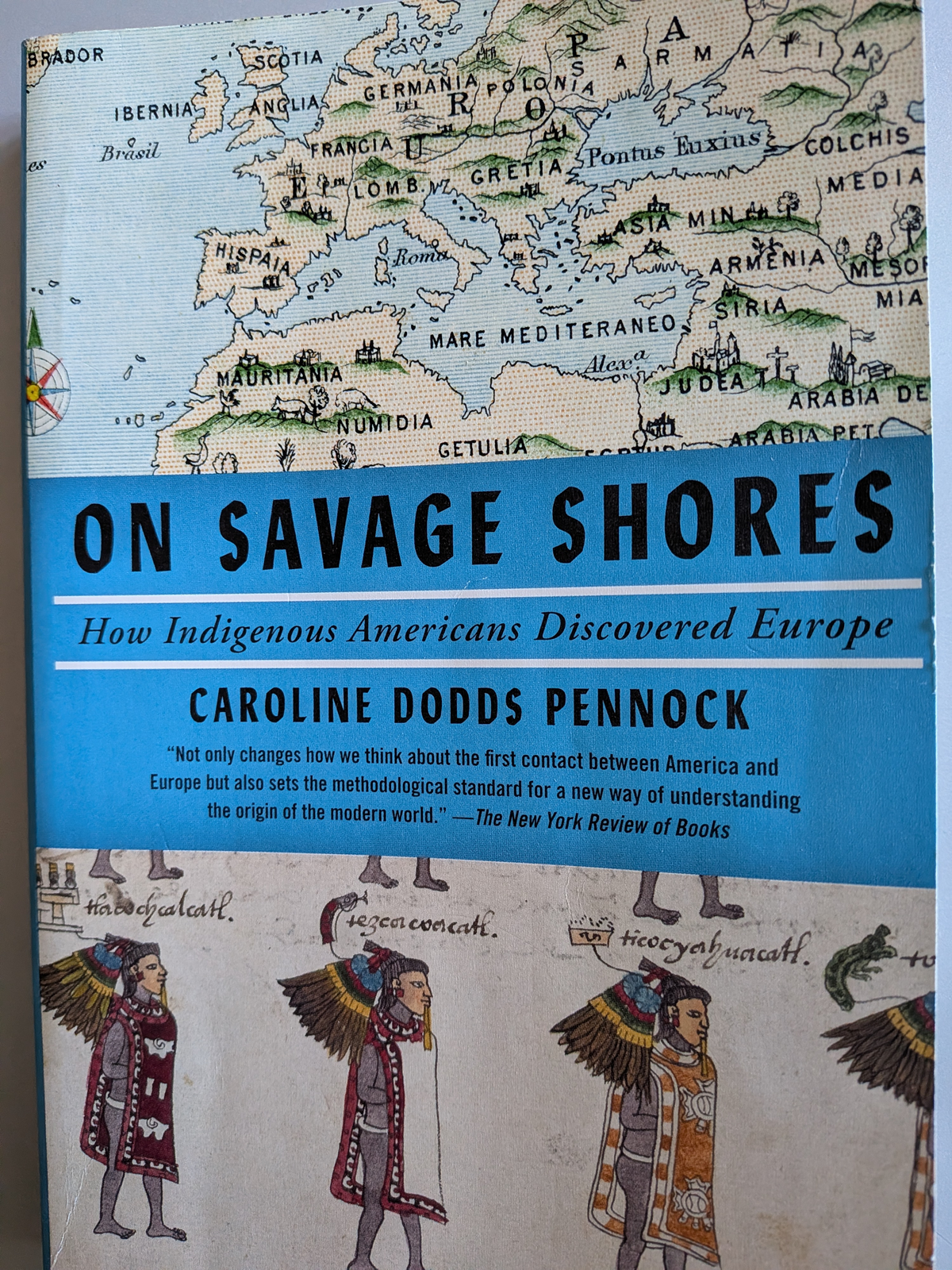
On Savage Shores: How Indigenous Americans Discovered Europe.
By Caroline Dodds Pennock (2023)
What an incredibly eye-opening book! Received as a retirement gift, this book almost tempts me to return to the classroom to re-do my lessons on the Aztecs.
Students in grade 12 World History classes over the years would consistently have two questions:
1. after learning that Columbus “took” – meaning kidnapped – Indigenous people from Cuba back to Europe with him after his first voyage in 1492, they always asked, what happened to the people?
2. after learning that Hernan Cortes had a son with his translator, Malinztin, they asked: what happened to the child?
I never really had any answers for these questions. Now I do.
On Savage Shores addresses the trans aspect of the trans-Atlantic relationship between Spain, Portugal, France, Britain and their colonies in the Americas starting in the late 1400s.
Yes, there was kidnapping, in abounding amounts; people were enslaved and brought to Europe. Columbus did it in the Caribbean, Vicente Yanez Pinzon did it from the Amazon to Spain, Gaspar Corte de Real did it from Maine to Portugal, the Portuguese took Tupi people from what is today Brazil to Portugal, Jacques Cartier stole Iroquoians to take to France, more Tupi and other people were sent to France, Martin Frobisher took Inuit, and more.
The book investigates Indigenous people who ‘went the other way’ whether by choice or not. In total, they might have numbered 10 000, a not insignificant figure.
Sometimes Indigenous nobles chose to go to Europe looking to establish relations with royalty in order to advocate for their people and for themselves. They endeavoured to build strong ties to colonial rulers and to emphasize their Christian loyalty. The book traces experiences and journeys of such “Americans”, and how Europeans received and reacted to them. Most critically, it centres Indigenous agency which can easily get written out of history, as seen in this quote:
“But whether accidental diplomats – victims of kidnapping who ended up speaking for their people – or voluntary ambassadors seeking redress for grievances, promoting their familial, local or individual interests, or simply seeking assurances or information from a distant ruler they had never met, these Indigenous politicians heped to shape European society and its transatlantic dealings as a conspicuous minority at court and in imperial hubs.” (p. 200).
It boggles my mind that during my 28 years of teaching World History I didn’t consider this perspective. There is a small taste of historiography in the book; I find it fascinating the lengths historians have gone through, making their way through archives, mostly in Spain, to find glimpses of the lives led by Indigenous people who stayed in Europe, some who travelled back. Of course many lives were lost very soon after arrival due to lack of immunity to European diseases. The book ends with a very sad story of a young Inuit buried in a churchyard in England.
This book also further strengthens my deepening awareness of global connections in the early modern history period. On Savage Shores relates to previous books I’ve read, such as Mairi Cowan’s The Possession of Barbe Hallay: Diabolical Arts and Daily Life in Early Canada, which explores women and witchcraft in Quebec in the 1600s and Quebec’s connections with the world. These are also prominent in the case of Marie-Joseph Angelique in Afua Cooper’s The Hanging of Angelique about an enslaved woman who, most notoriously, was accused of burning down Montreal. In reality her story is very complicated and Cooper reconstructs it using legal records. Last year (for my very last class, in fact) I built upon a lesson my student teachers had created about Angelique with a focus on her being an enslaved woman. I selected quotes relating Angelique’s experience to the slave trade, that trans-Atlantic jauggernaut, and to the Code Noir, French laws on slavery, which applied in Quebec. The 17th century world was actually smaller – more closely tied together – than we imagine it might have been in our technologically glorified way of making the 21st century seem so global.
For Indigenous people from North, Central, and South America, while going to Europe was often under very difficult circumstances, some made the choice to go and stay, such as Martin, son of Hernan Cortes and Malintzin. Apparently Aztec Emperor Moctezuma’s daughter, Isabel, had descendants that formed a dynasty that still exists in Spain.
The author emphasizes an aspect of the trans-Atlantic relationship that is not too unfamiliar: exoticism. Students familiar with Worlds’ Fairs where ‘curious’ people were put on exhibit for the benefit of Europeans (and Americans) will recognize such spectacles. Toward the end of On Savage Shores, Professor Dodds Pennock describes a French iteration of this in Rouen where these was a ‘simulated’ village and battle featuring Tupi from Brazil. She also contextualizes it by placing it in time just as France was trying to justify its colonization of Brazil.
As I always do when I read a fantastic book , I emailed the author to thank her. She replied and told me she was working with many teachers in the UK.
Thank you to Chris and Mairi for this enlightening book. When I get to updating the teaching materials on this blog I shall be sure to incorporate this new knowledge and perspective.
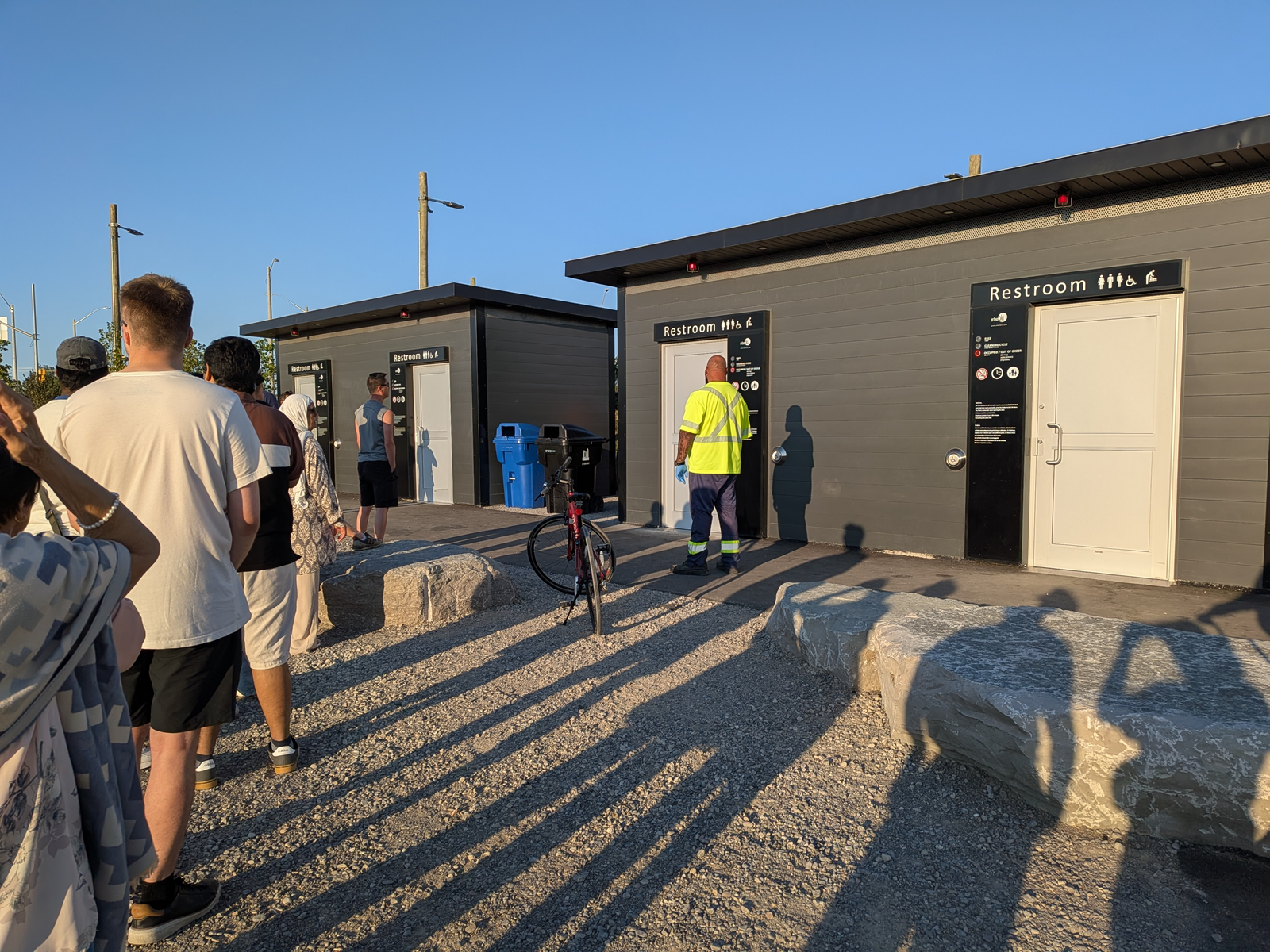
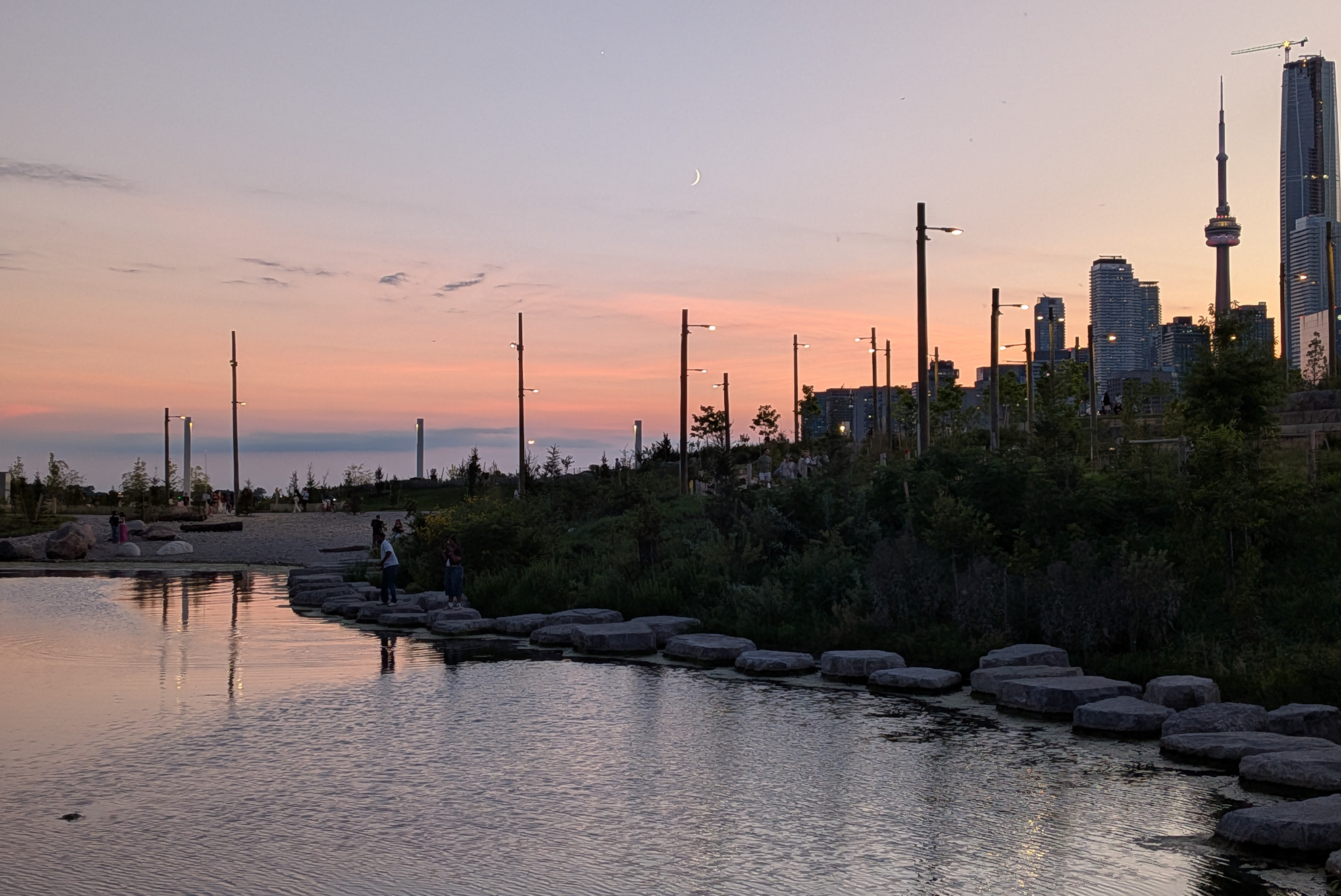
Way to go City of Toronto (correction: Waterfront Toronto)! The new section of the park is even nicer than the first part! There’s even a set of public washrooms.
It’s lovely to see so many people out in the park – many waiting for the sunset. We gave up and backtracked to take more pics and make our way home.
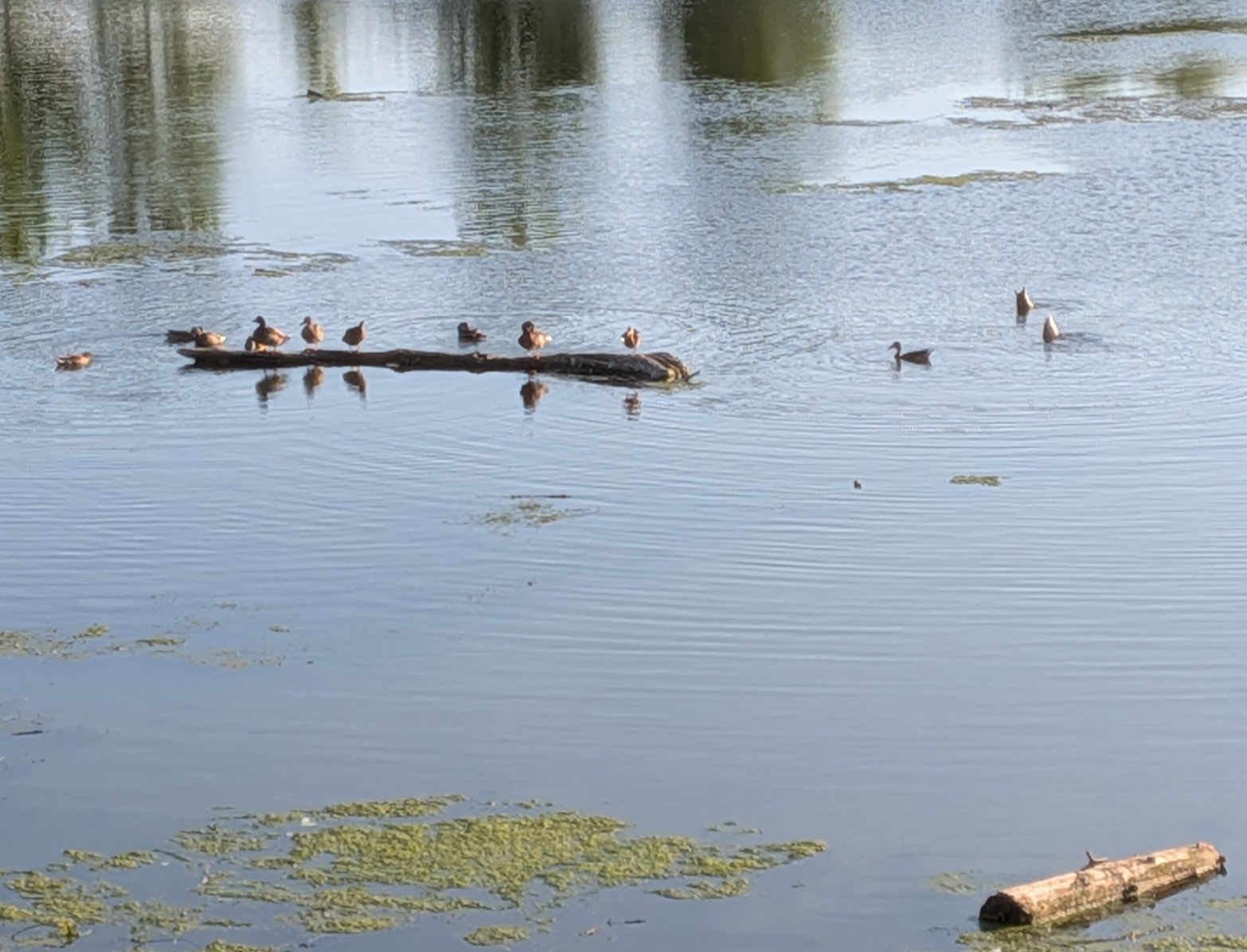
Ducks on a log in the Don
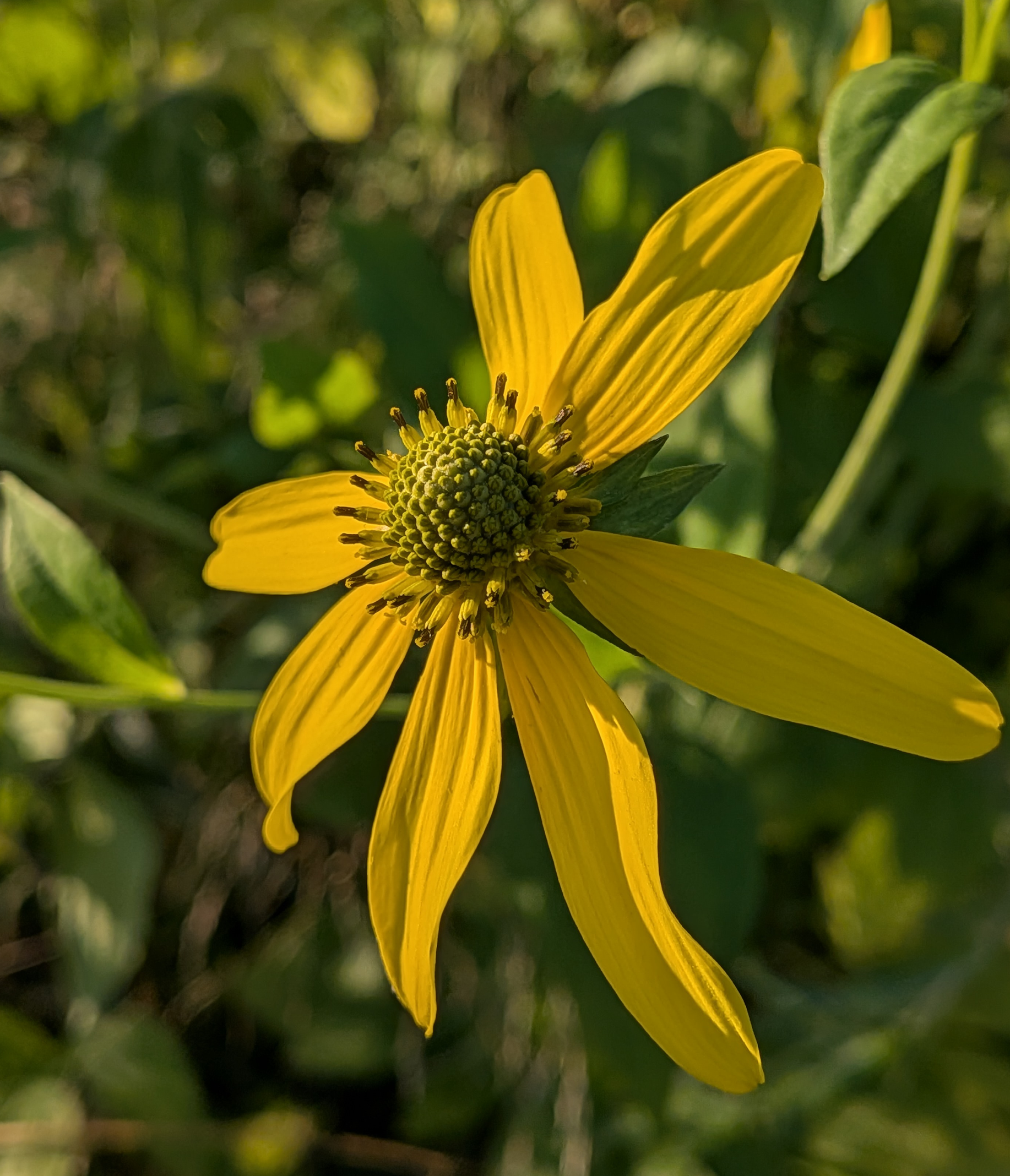
Yellow coneflower? Maybe a future painting
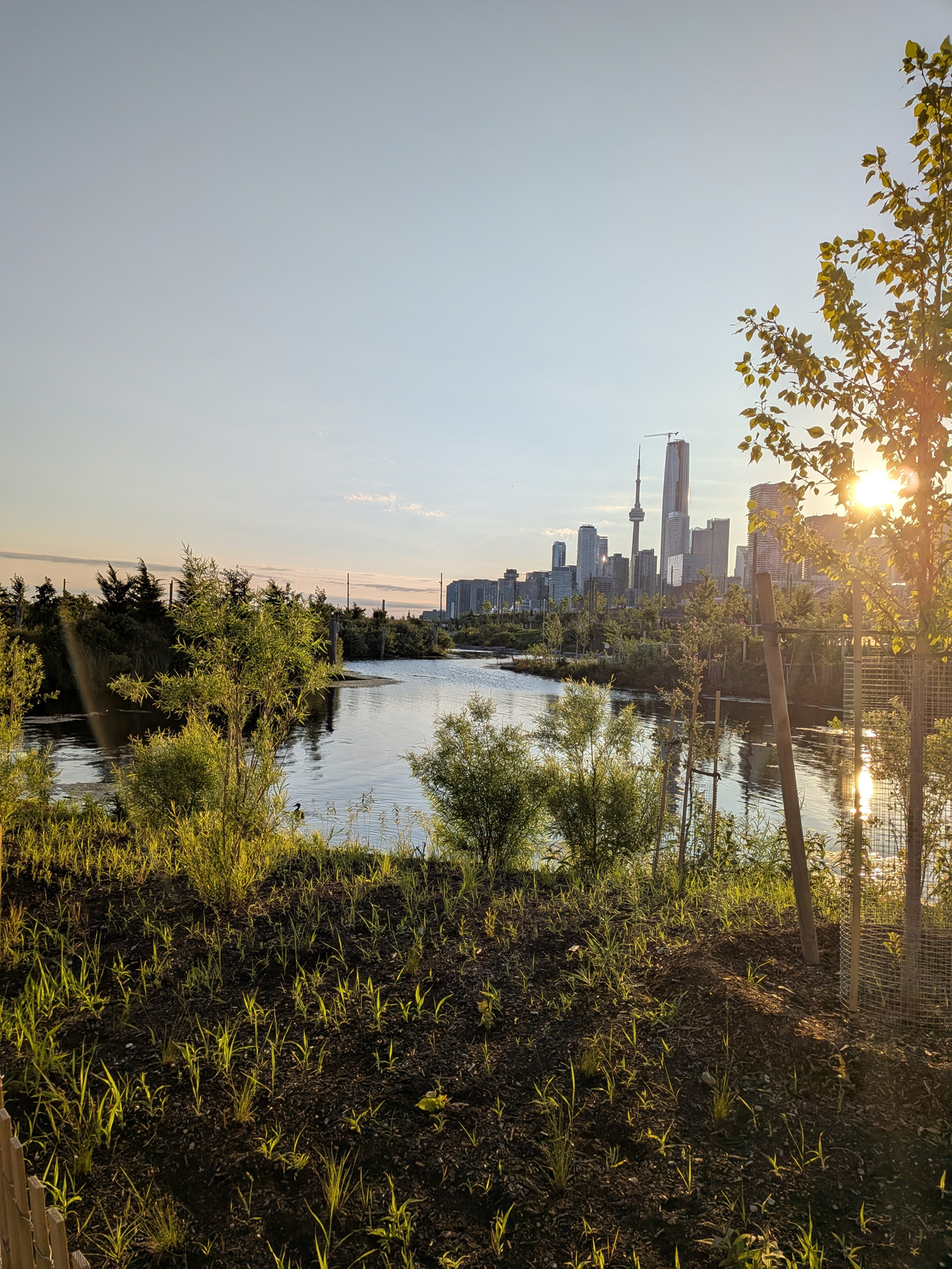
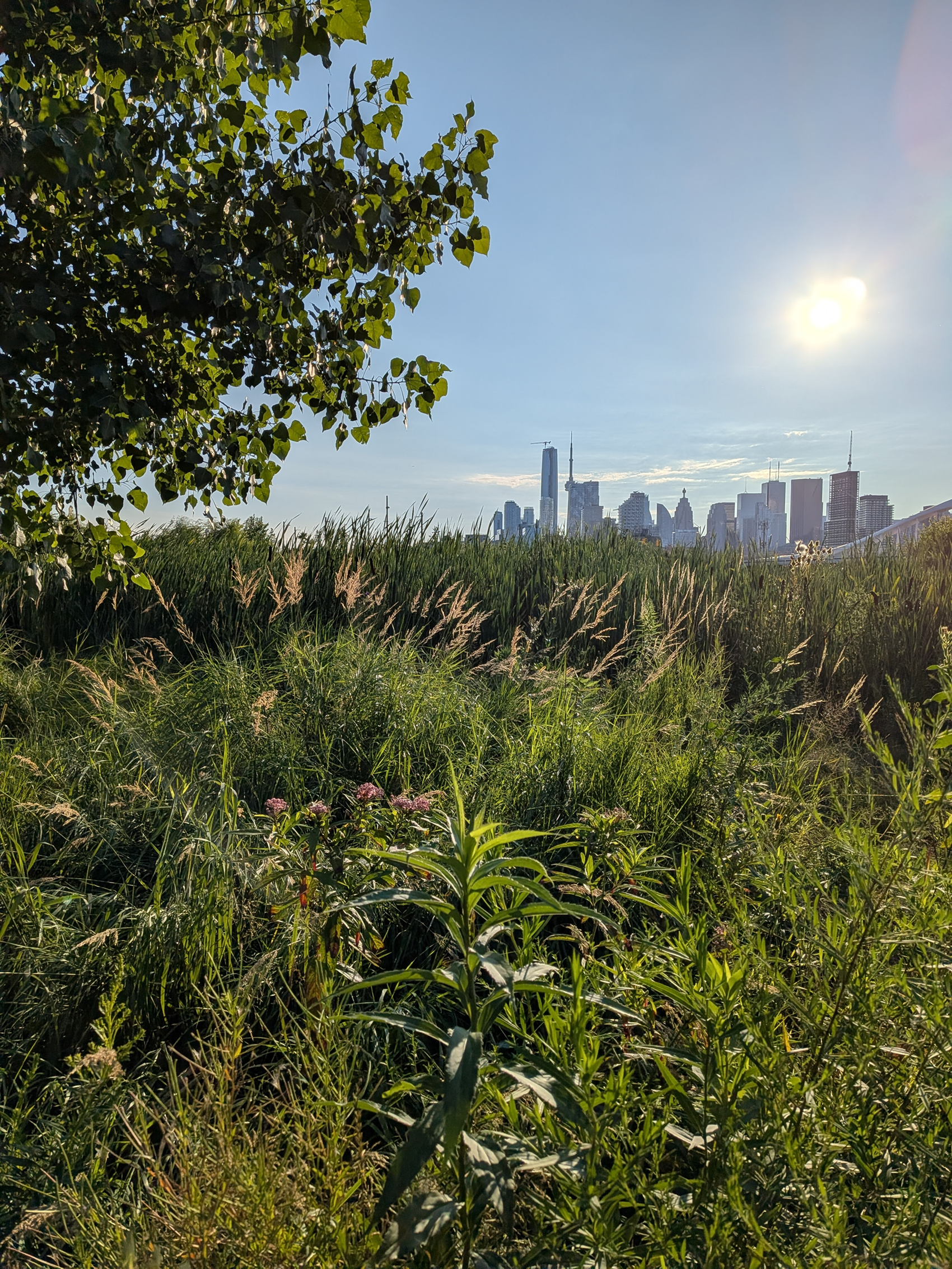
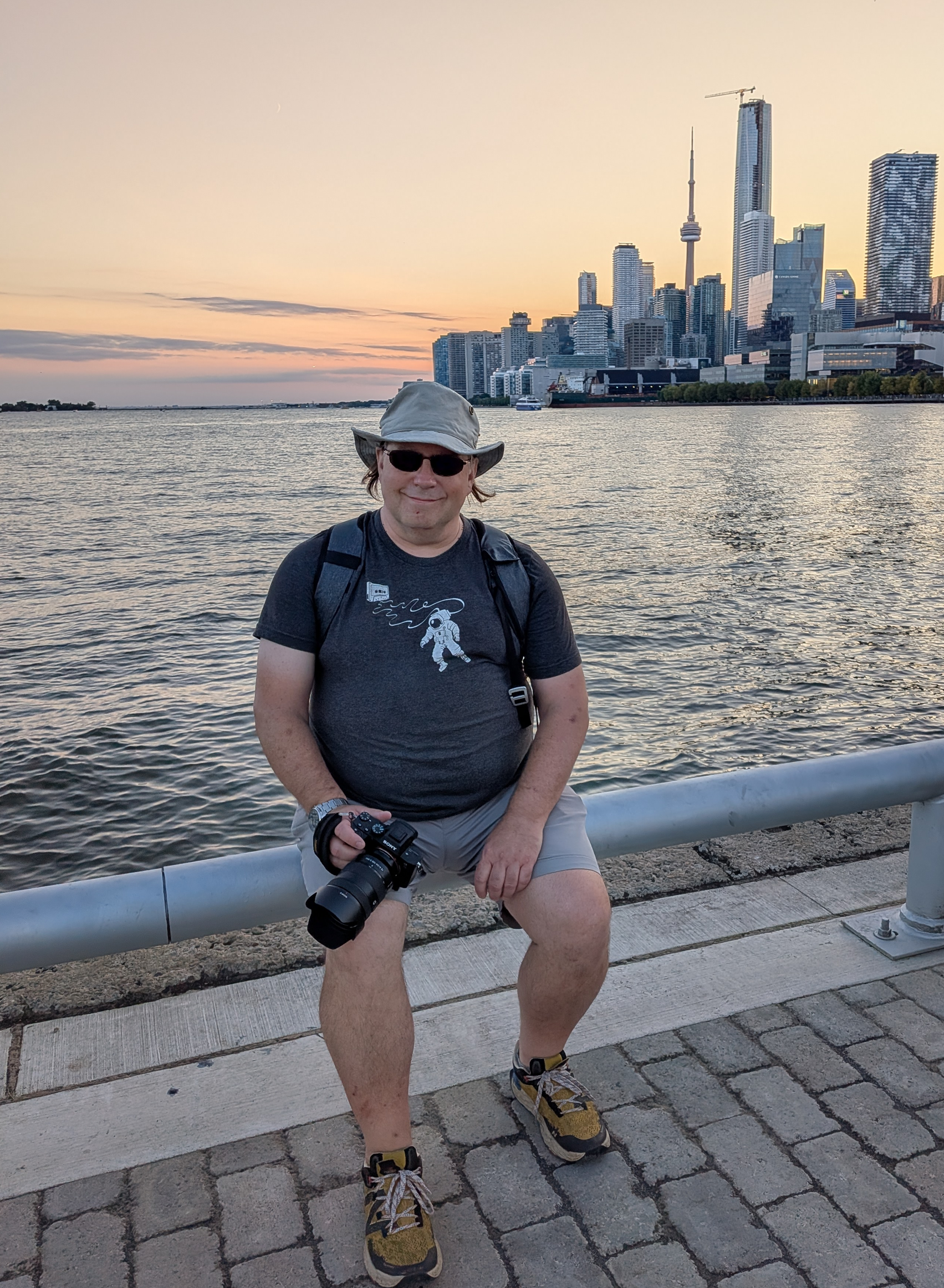
Skyline view
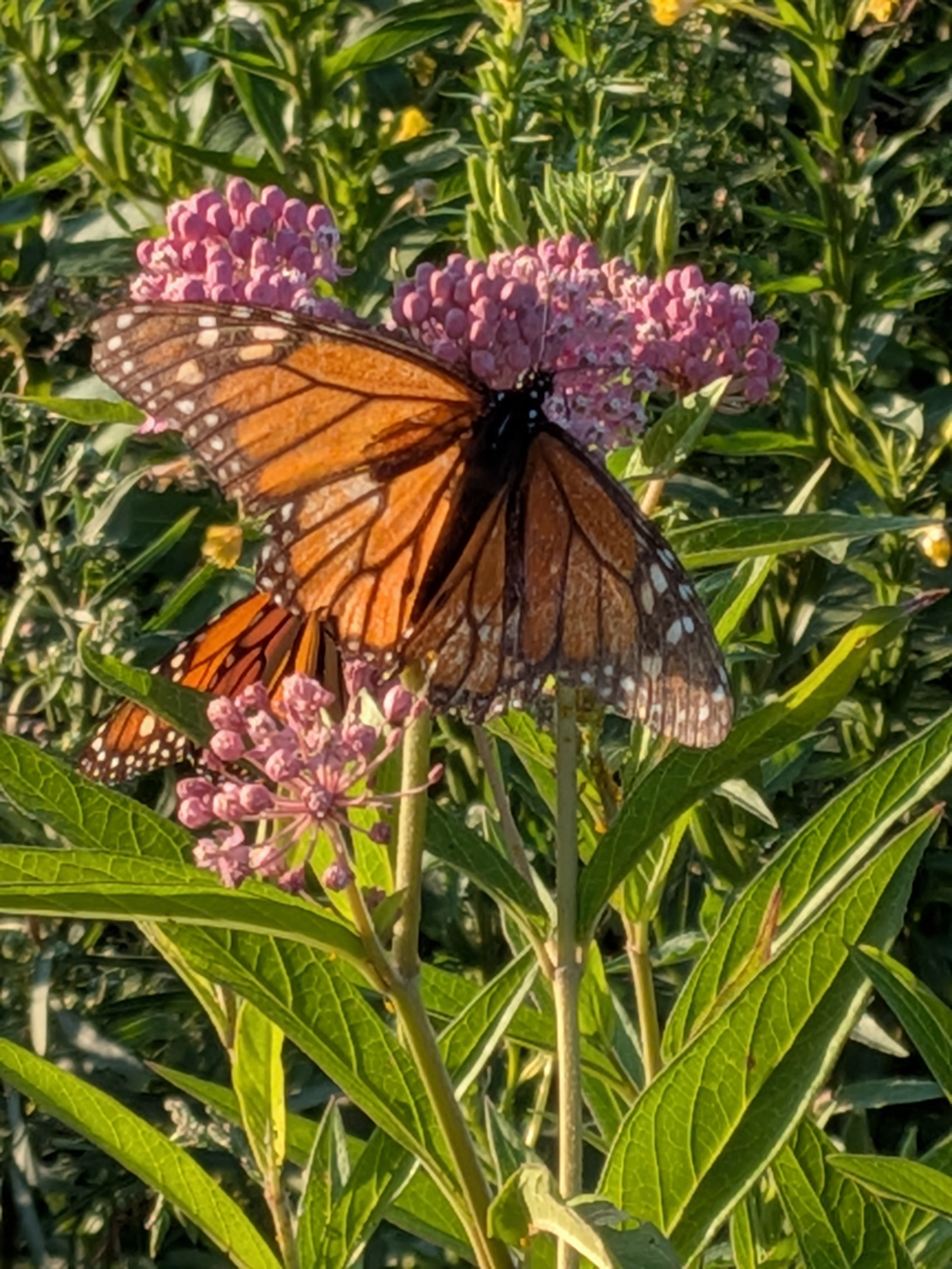
Monarchs
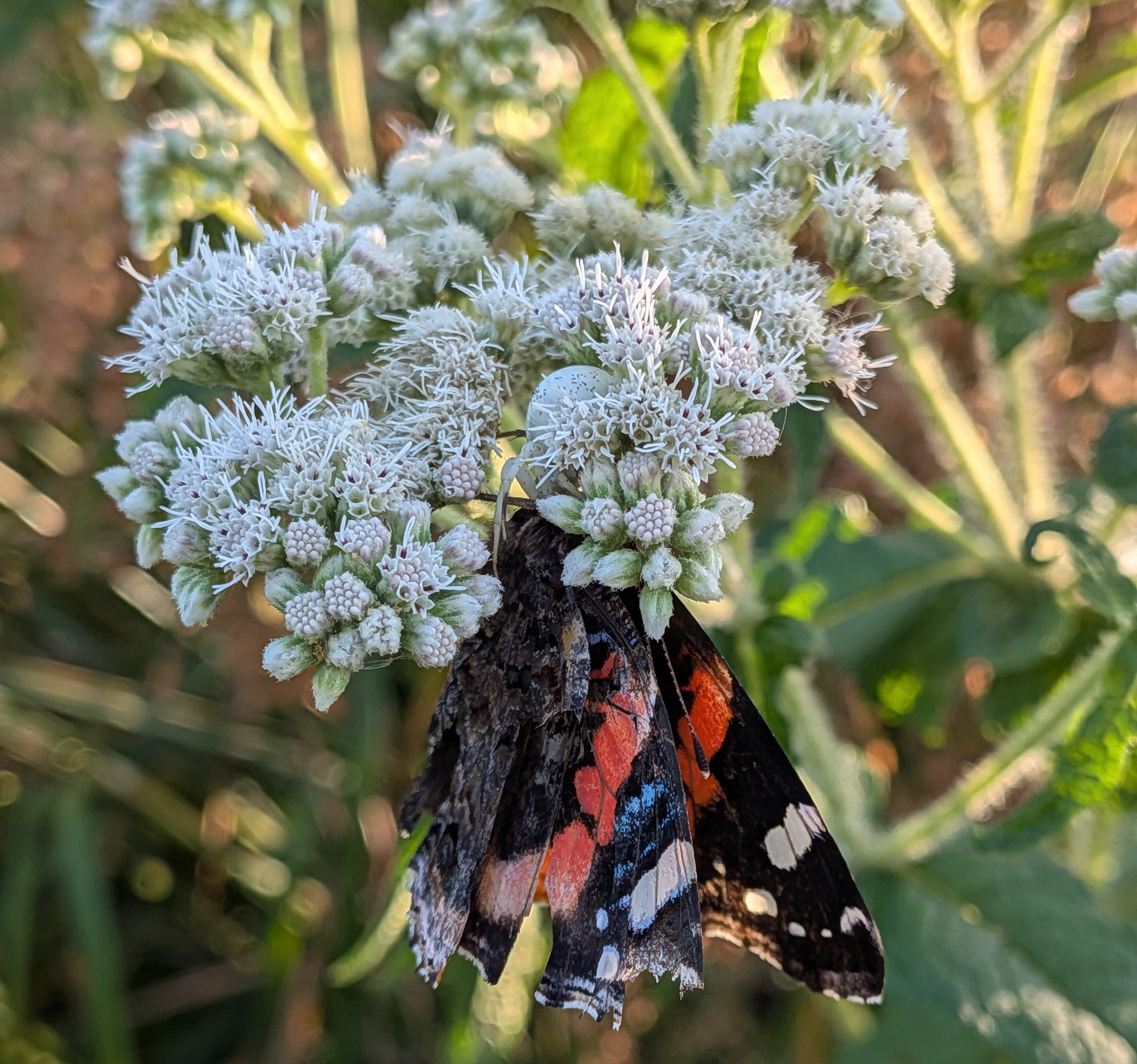
Red Admiral on Boneset (possibly)
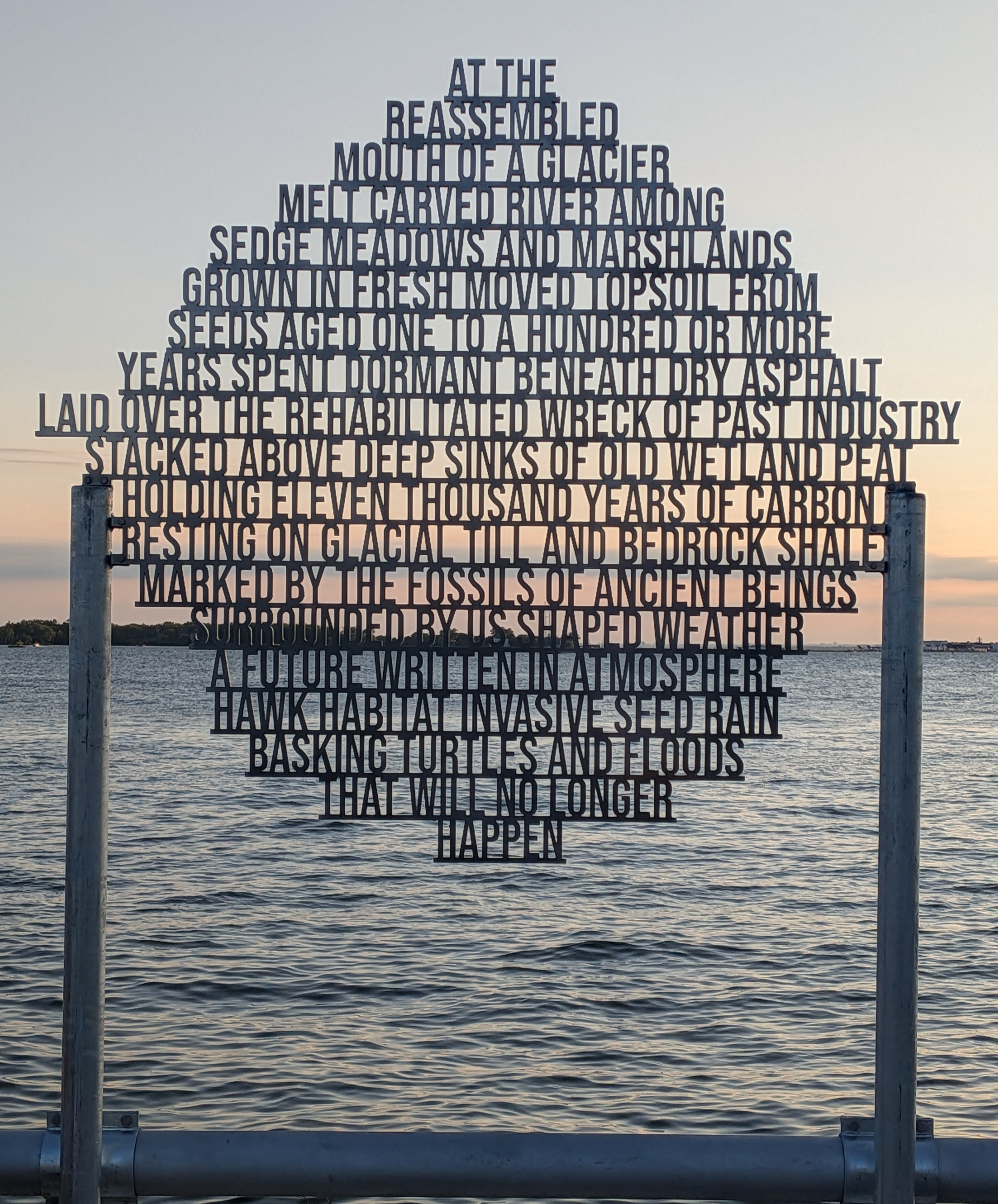
The native plantings are incredible
Public washrooms, oh my
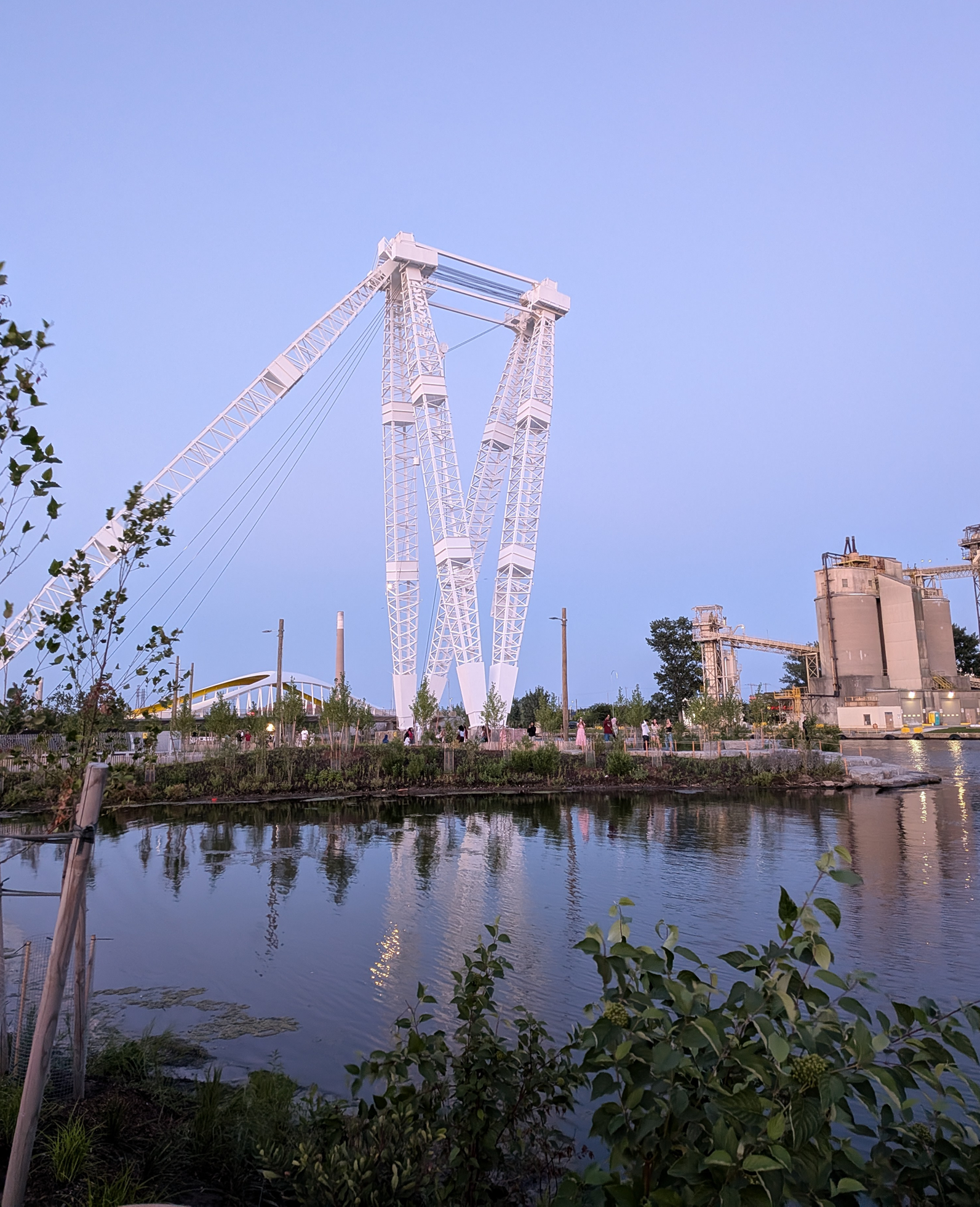
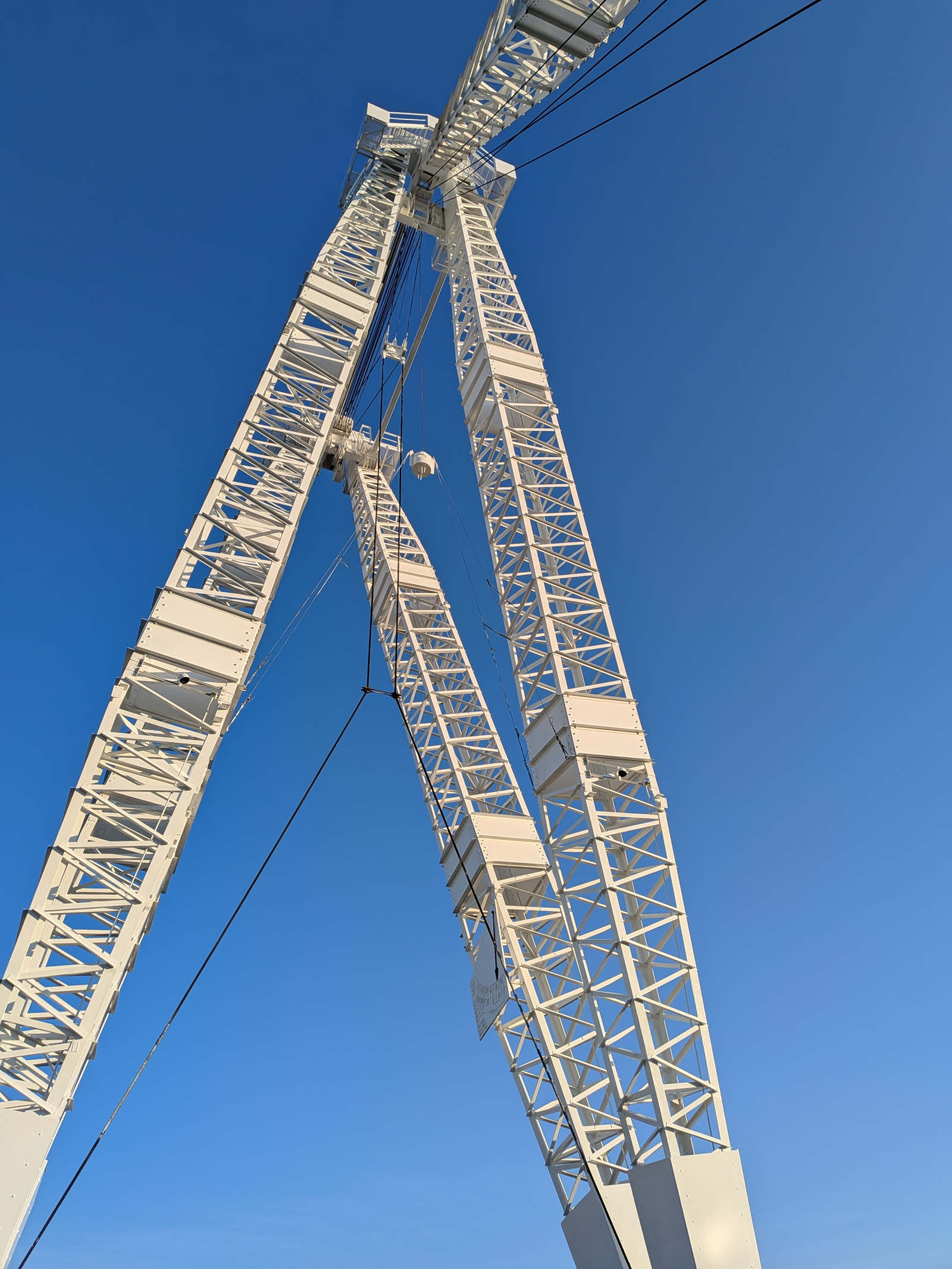
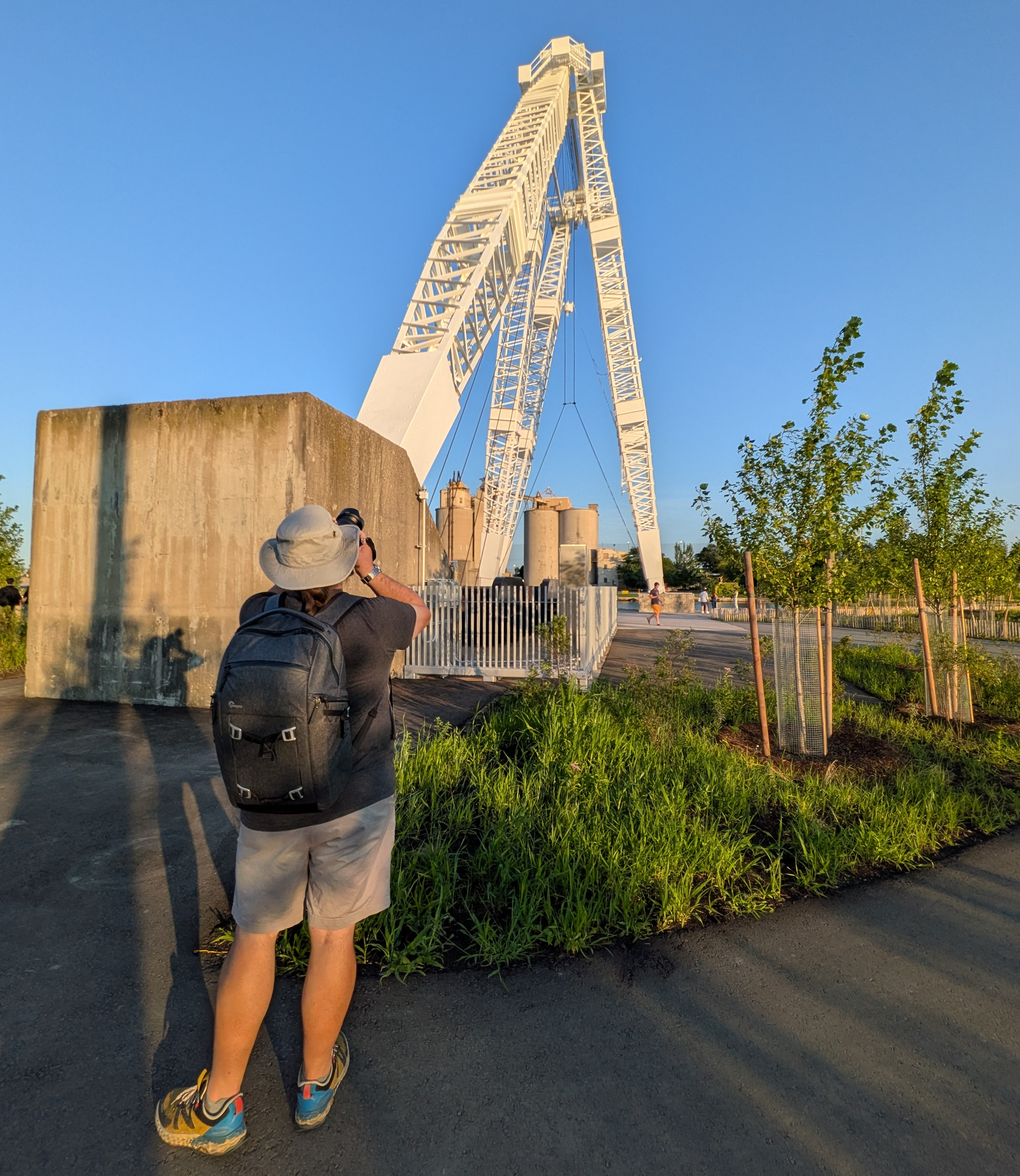
The Atlas Crane from the former Marine Terminal 35 (first in operation in 1961) – read more about the crane
Val has pics of this crane (on film) from 30 years ago
This park is the perfect combination of nature and industry that Val loves
Here’s a brief slightly unsettling thought on retirement so far; retirement is AWESOME. Don’t get me wrong – I am very lucky and privileged to be able to retire. However, it’s a somewhat daunting mental transition to go from constant support of kids to doing whatever I want to do.
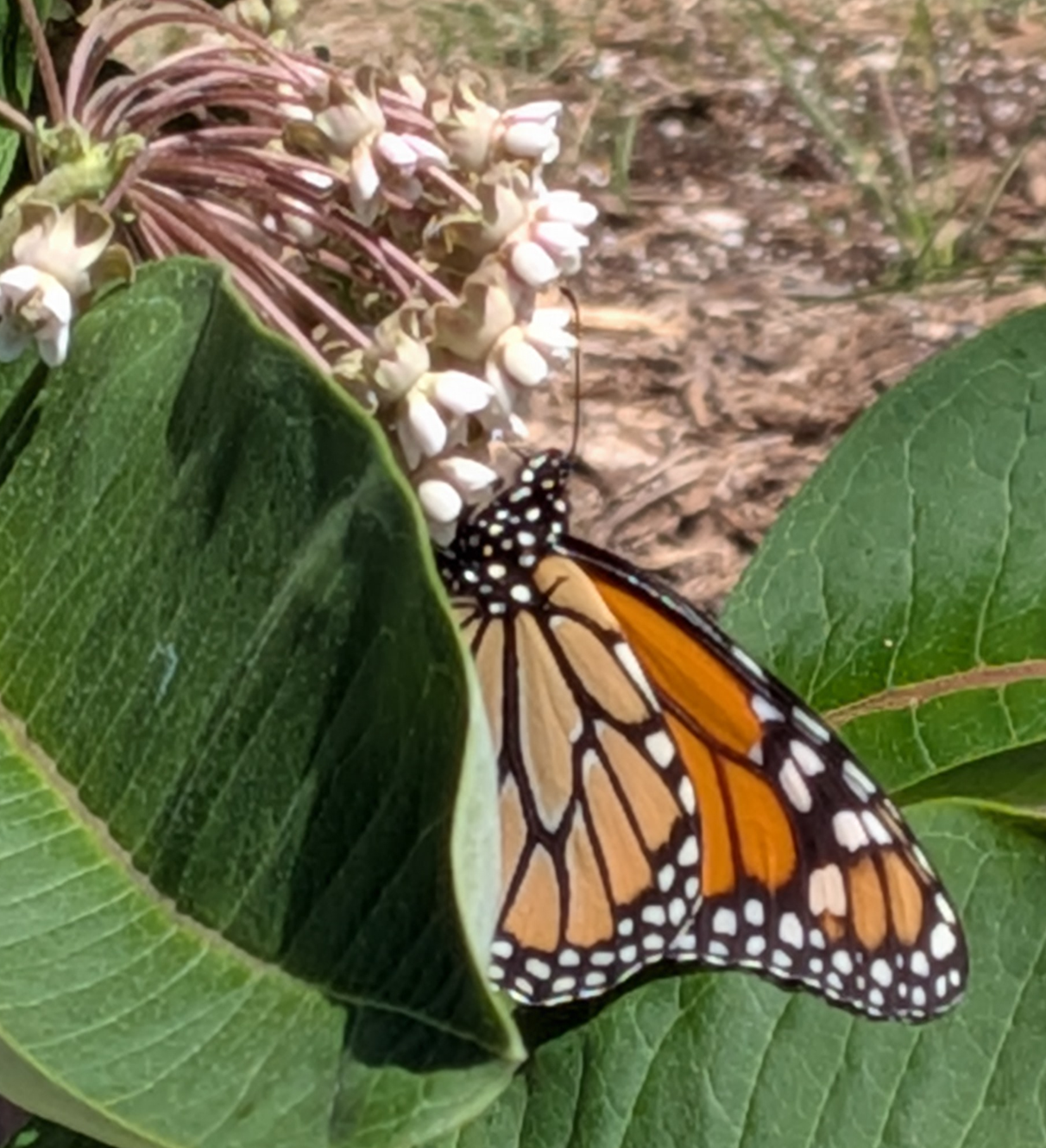
This monarch butterfly feeding on milkweed on our front lawn got me reflecting: ” it’s nice to be helpful.”
Monarch butterfly, August 2026
That’s probably why I started up a new research project (with SP from the Champlain Society Educational Committee) so quickly. The focus will be Canadian nurses in World War One. Fascinating so far.
Second…
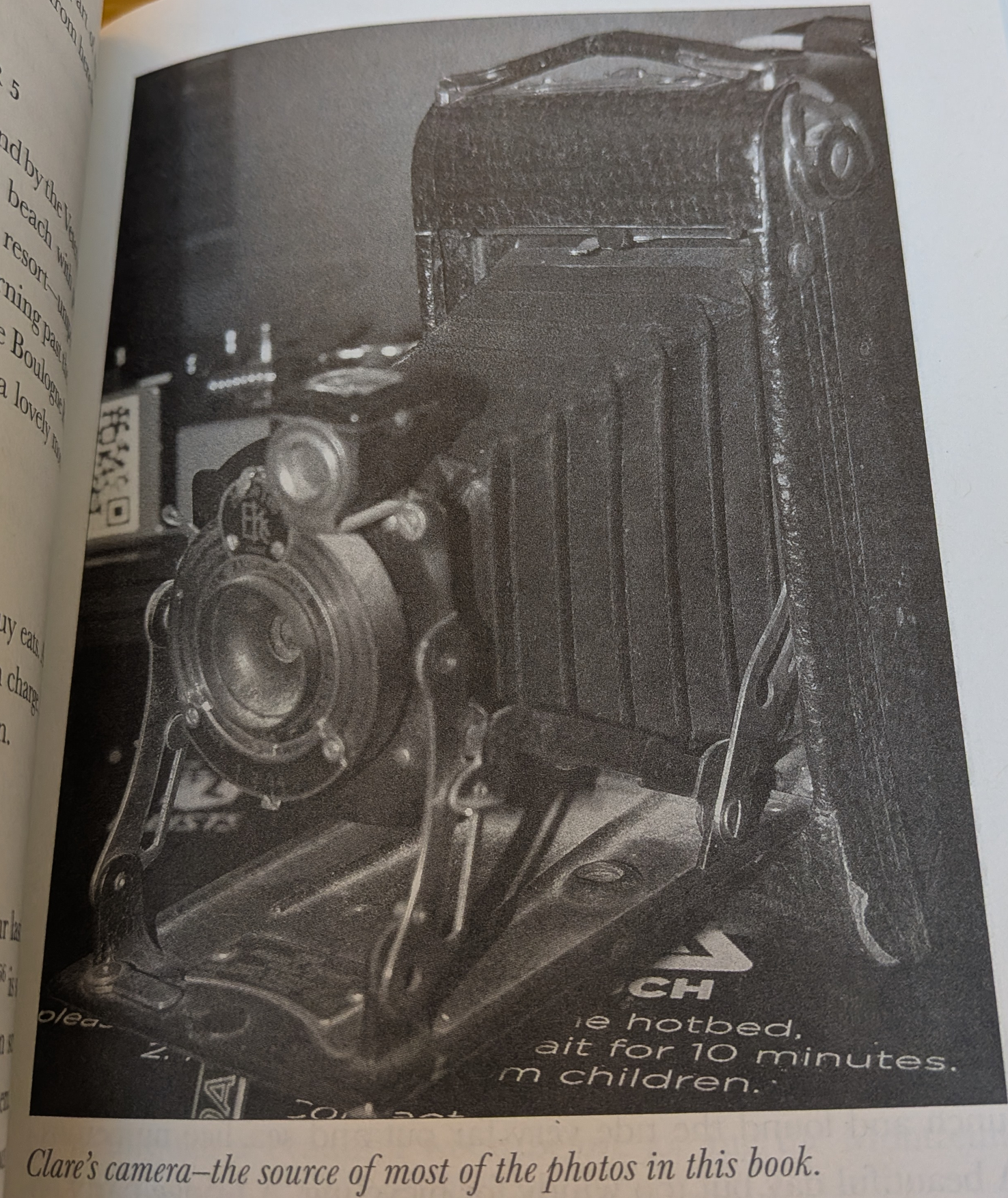
I’ve looked at a lot of WWI-era photos lately. This one struck me the most. The power of the camera is inestimable. The camera below belonged to Clare Gass, a Canadian nurse who, like many others , served in multiple locations in Europe during the war, almost always taking photos of her colleagues, patients, surroundings, locals, etc.
What I love about history is the evidence it provides of life in the past. In most of my work as a teacher of world history, the subjects I taught were pre-camera. It is interesting to jump into a camera-enabled time period. The images complement the documents.
Clare Gass’s camera. Photos from a book (ironically I didn’t get my photos of sources straight when I was at the library) at Toronto Reference Library. Additional photos by Clare Gass can be found at this Source
It has not yet been one year since I got a smart phone. Without a doubt my favourite feature (other than the time – yes, something so simple) is the camera, to record life as it is.
Sometimes I lament about leaving my career behind; this seems to worry my husband who will then ask if I’m going back. My answer is solid: no, I’m not going back to teaching!
However, I have to figure out how to maintain my skills. That’s a tough one.
Since I was in the Student Success world for almost 15 years, I really became a bit of a jack-of-all-trades, especially through credit recovery: English (9 and 10, especially), ESL (almost all levels), Civics, Careers, Food and Nutrition, grade 9 Math (if you can believe that), French (not good enough to do anything with it). I even taught a new course in my last year (English Literacy Skills). I became very fascinated with reading skills.
Despite all those subjects, it’s really my history connections I want to maintain the most as that’s truly where my heart is! I have to say that my fantastic grade 11 and 12 world history classes this year brought that point home to me very strongly.
I will do some more work for the Champlain Society Education Committee for sure. I may reach out to OHASSTA again. Technically, I am still in the process of closing down THHSSSC (the old Toronto History, Humanities, and Social Science Subject Council) by distributing our funds. That will run into the fall, for sure, since some schools never even replied when I reached out to them. I’d like to make new connections at OISE to see if I can get some face time with teacher candidates through the history profs there (given that I had a lot of student teachers and did a really thorough job with them, if I may say so).
Lots of possibilities, aside from potential Student Success work through the OT list at TDSB. NO regular classroom supply work though. That is for sure!!!
I’m still not ready to process my career, at least publicly. In private, I had many hours to ponder the decades behind me as I sat beside my old file cabinets and kept or tossed piles and piles of student essays and projects. I couldn’t bring them all home, so I kept the ones that were near and dear to my heart!
For now, there’s gardening to be done, Blueberry to ride, Val to spend time with, pilates to do and painting to re-start!
And the cats, of course.
Richard looks so good in pink!I don’t know how such a non-flexible cat contorts herself around this planter to get a good spot in the sun!